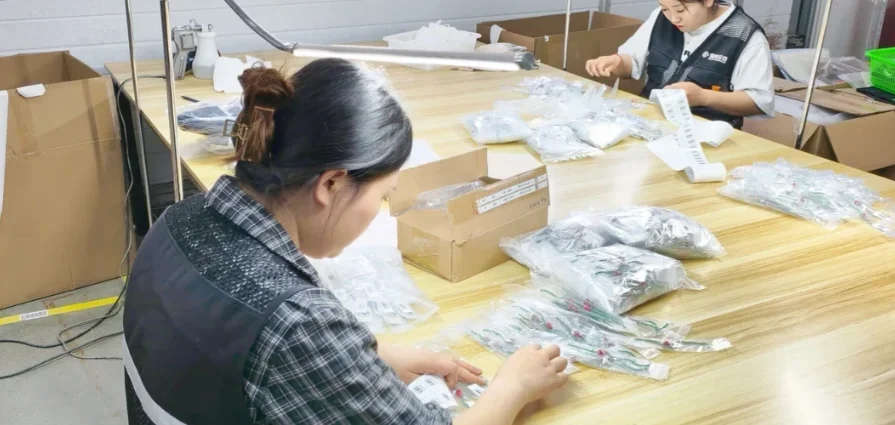
Turn “check the quality” into a product-specific instruction. Define the approved specification, the checks requested, the evidence to report and the decision owner. Receiving, visual inspection, functional checks and independent testing describe different work.
Keep an approved reference
Identify the supplier, SKU, variant, specification version and sample reference. Record dimensions, materials as specified by the supplier, accessories and packaging instructions. Note which details were physically checked and which are still supplier declarations.
Photographs help describe an approved sample, but may not resolve fit, feel or function. Agree whether a physical reference is needed and how a changed component, supplier or specification is reviewed. Approval of one sample does not establish that every later unit matches it.
Choose checks that answer a defined question
| Work | Define in the brief |
|---|---|
| Receiving | Expected and received quantities, variant identity and apparent package condition. |
| Visual or dimensional inspection | Specific appearance points, measurements, tolerances and defect examples. |
| Functional check | Procedure, equipment, conditions, units checked and observable result. |
| Independent testing | Product-specific test requirement, qualified testing provider, sample identity and report scope. |
A warehouse photo or visual check cannot establish material composition, durability or product certification. If such evidence is needed, identify the appropriate testing work separately before release. Test acceptance and any specialist coordination are confirmed for the product.
Specify coverage and acceptance criteria
Agree which SKUs and batches are included, whether all units or selected units are checked, how selection is made and what happens when a defect is found. For sampling, record the lot and number inspected; do not describe a sampled check as complete inspection.
Describe unacceptable conditions with measurable criteria or approved examples. Avoid instructions such as “premium quality” without an observable reference. If criteria or equipment are unavailable, record that limitation before work starts.
Make findings traceable
Request the agreed SKU and batch references, date, checked quantity, check method, findings, evidence references and unresolved points. Photos should show enough context to identify the item and issue. Review the proposed report structure before commissioning work so it answers your actual questions.
For example, a bag specification might identify the requested checks for zipper operation, accessory count, dimensions and visible stitching. The procedure, coverage and acceptance criteria still need agreement; this example does not establish long-term durability.
Keep failed or unresolved stock on hold
Name the contact who can approve supplier replacement, rework, additional checks or release. Keep affected inventory separate in the record. State the required action, extra-work approval and next review time. After rework, confirm the recheck scope and approved outcome before dispatch.
If a sample differs from received stock, resolve the specification version rather than silently accepting the change. A passed receiving count does not resolve a failed quality check.
Control the specification from sample to received stock
Give the approved sample and specification a version reference. Record the details that matter for this product: dimensions, finish, fit, component model, artwork and packing. Distinguish supplier-declared material information from findings actually checked.
When a supplier proposes a change, identify the affected SKU, feature, reason and stock quantity. Obtain the appropriate review and approval before updating the receiving or prep instructions. Keep the previous version traceable and clarify which purchase orders or batches use the new version. Sample approval is a reference for later checks, not evidence that all production units conform.
Turn a discrepancy into an approved action
Scroll horizontally to view all columns.
| Observed issue | Information to resolve | Action to approve |
|---|---|---|
| Quantity difference | Expected, received and checked quantities; carton and supplier references. | Recount, supplier clarification, replacement arrival or a revised release quantity. |
| Missing or incorrect accessory | Component specification, quantity per product and affected units. | Hold the affected stock; agree the correct replacement and assembly scope. |
| Different appearance or fit | Approved sample version, observable difference, measurement or check result. | Review against the agreed criteria, obtain further assessment or request supplier action. |
| Artwork or label mismatch | Current approved file, actual printed version and affected product or component. | Confirm correct information and any relabeling or document review before release. |
Record what was observed separately from an assumed cause. If the inspection coverage is limited, identify the checked sample and the wider stock still unresolved. A failed sample does not, by itself, describe the condition of every unit.
Define the rework job before it starts
Connect the job to affected SKUs, batches and quantities. Specify the proposed work, replacement materials, permitted packaging opening, evidence, responsible party and additional charge approval. Agree what happens to rejected units and removed materials. Warehouse feasibility and any supplier coordination are confirmed for the actual work.
Complete the recheck against the approved instruction. Record the method, quantity checked, remaining defects and who authorizes the next stock status. Completion of rework is different from approval to dispatch. If the specification or acceptance criteria are still uncertain, retain the hold and identify the next decision owner.
Download the stock exception and rework brief (TXT)
Check the accessory as well as the main item
A main item and its accessory may come from different production batches. Identify both lots and the approved pairing before treating a check on the main item as evidence about the complete product.
Illustrative example: a stand includes a base and a detachable bracket. Counting one base and one bracket establishes presence within the agreed count scope. Comparing the bracket model establishes identity. Trying the approved assembly procedure checks fit under those conditions. None of these alone establishes long-term durability or product certification.
For an agreed fit check, record the sample identity, component versions, procedure, permitted tools, observable acceptance criteria and inspected quantity. Confirm whether packaging may be opened and how checked units will be restored. If instructions or criteria are unavailable, report the result as unresolved rather than inventing a pass condition.
Keep results by check type: present, correct model, assembly result and any separately agreed functional result. If a sampled pairing fails, identify the observed units and the wider lot requiring a decision; do not silently describe every unit as defective or approved.
Download the accessory fit-check record (CSV). Historical question: Accessory assembly difficulty discovered after dispatch. Listing changes and suggested complaint-avoidance workarounds are excluded.
Share a useful inspection inquiry
Provide product links or specifications, sample references, suppliers, SKU quantities, requested checks, defect examples, destination and readiness date. Ask for coverage, evidence, exclusions, fees and the approval workflow. Mark unknown requirements explicitly so the team can review feasibility.
Discuss a product-specific inspection scope · Explore sourcing and QC · Test the fulfillment workflow
Community questions behind this guide
Reviewed 2026-10-06. These discussions identify buyer questions. They do not substantiate supplier allegations, inspection performance, testing methods or our service capabilities.
WeAreSellers questions informing these controls
These public discussions identify questions to resolve before prep and release. They are individual accounts and supplier perspectives, not proof of inspection performance, certification or our service results. The controls below are original planning guidance and must be scoped for your product.
- First-piece confirmation before production
- Sample-to-production consistency and written specifications
- Component label omission discovered after export
Reviewed 2026-10-06.
Control changes after sample approval
Keep an approved reference version for each SKU and variant. If a supplier proposes a different material, component, colour, size, accessory or pack, record what changes and which purchase order or batch it affects. The same product name or SKU does not establish that the specification is unchanged.
Keep the old and proposed versions traceable
Record the existing sample or specification reference, proposed replacement, reason supplied, evidence and intended effective batch. Ask the supplier to confirm which instructions will be used for production. Retain the earlier reference so incoming goods can be compared with the correct version.
A photo may show an appearance difference but cannot establish composition or durability. Define whether the decision requires a new physical sample, measurements, functional checks or separately scoped specialist testing. Mark the evidence still missing rather than treating a proposed change as approved.
Identify affected inventory and orders
Determine whether the change concerns unproduced goods, goods already received, work in progress or dispatched orders. Keep affected batches and quantities identifiable and agree whether they remain on hold. If old and new versions coexist, define how they will be separated in storage, picking and inventory records.
Review the impact on packing materials, bundle components, supplied labels, packed measurements and customer-facing product information. Update the relevant instructions before the changed version is used. Do not substitute a variant just because it is available.
Record approval and recheck before release
Name who can approve the product change and who communicates the final instruction to the supplier and warehouse. Purchasing, product acceptance and shipment release may require different decisions. Record the approved version, applicable batch, quantity, decision date and any conditions.
If rework or replacement is requested, specify the recheck method, coverage and acceptance criteria. Link the new findings to the original discrepancy. Release only the quantity covered by the approved decision, keeping unresolved stock visible. This workflow does not establish that every unit has been checked or that the product is certified.
Use a product change record
Download the blank product change approval record (CSV). Use one row per change, SKU, variant and affected batch, with evidence stored in the agreed project system. Keep completion, recheck and release references separate; the record filling guide (TXT) explains authorized quantities and partial releases. Connect the decision to your stock reconciliation and packaging reference.
Additional community questions reviewed
Reviewed 2026-10-06. These publicly visible discussions prompted the change-control checklist; it is our editorial planning synthesis. No complete comment-tree collection is claimed. Supplier allegations, inspection prices, payment terms and dispute outcomes are excluded.