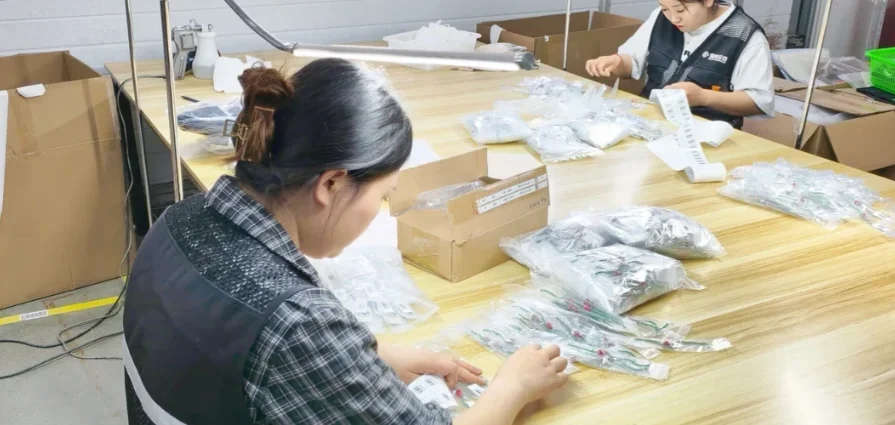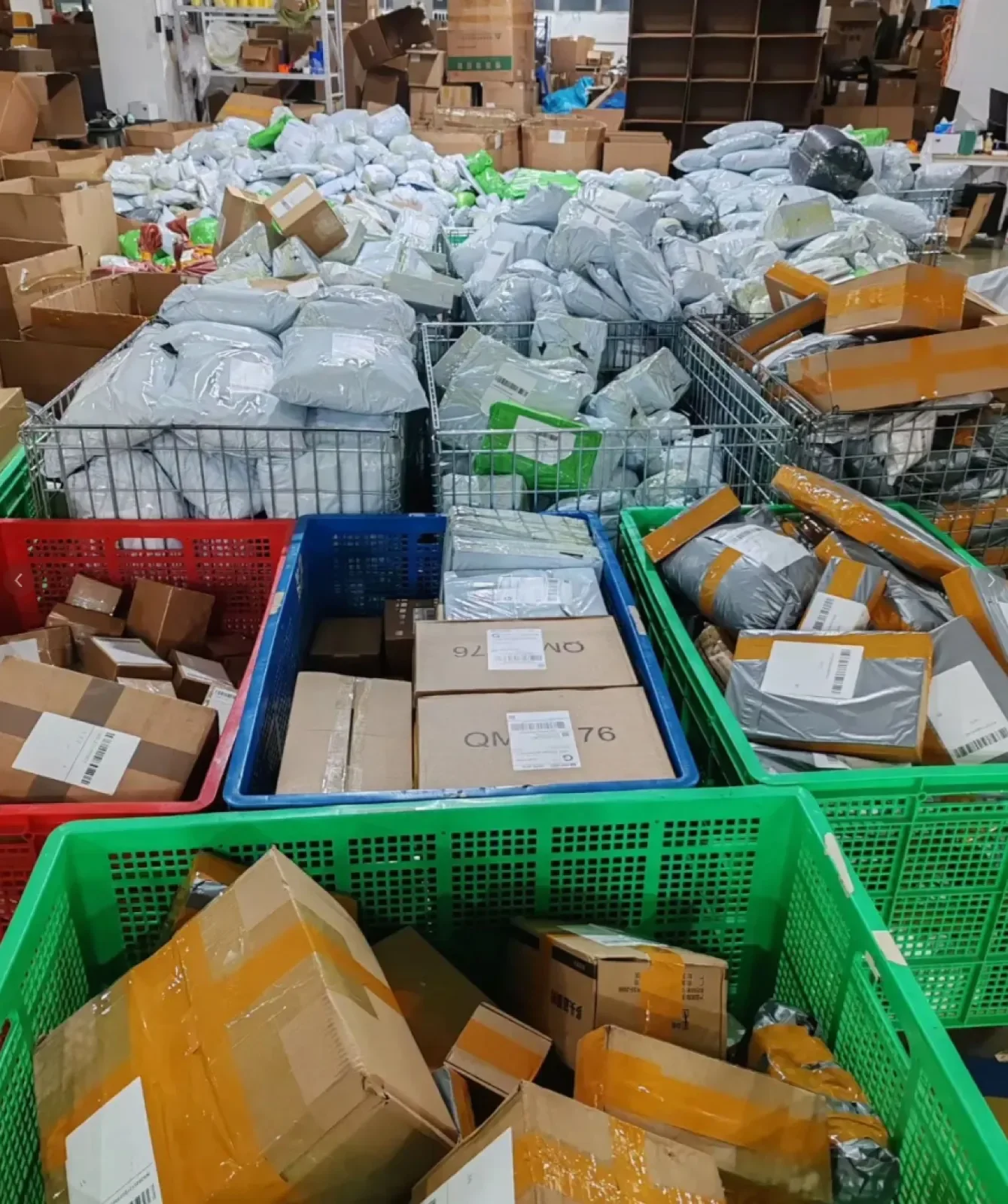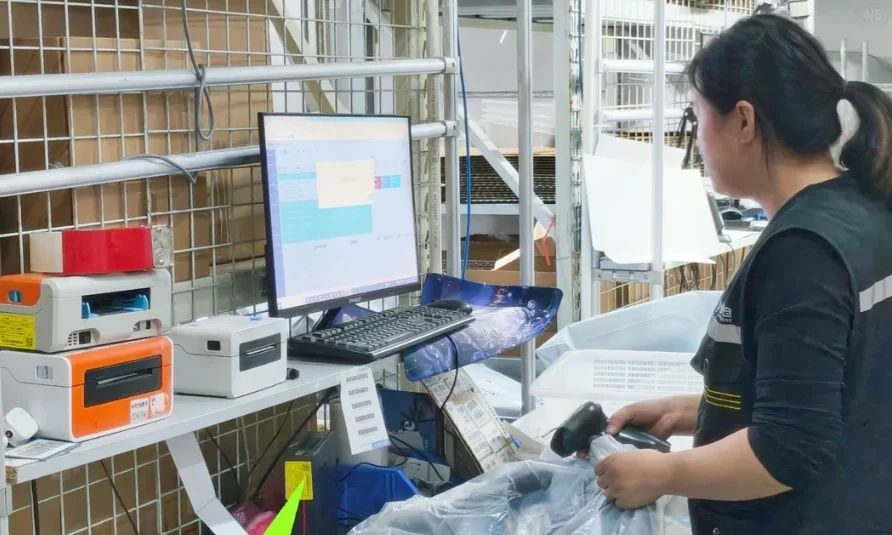
Compare packaging options using the same product and shipping route. A lower material price can still produce a higher delivered order cost if the final parcel is larger, takes longer to assemble or leaves unused packaging in storage.
Choose what to customize
Ask for separately scoped options: a standard protective pack with a branded insert, a branded mailer or sleeve, and a printed presentation box. Confirm that each option protects the product and fits the approved packing method. A presentation box may still need an outer shipping pack.
List each material as its own component: box, bag, tissue, protective insert, thank-you card and label. Record how many pieces are used per order, which SKUs share them, and which destination instructions apply.
Approve a physical sample and specification
- Supply the artwork version, dieline, dimensions, material and print reference.
- Approve a finished sample containing the actual product and all components.
- Check closure, fit, readable printing, label placement and the unboxing sequence.
- Record the approved specification and photographs so repeat orders use the same version.
- Agree the checks for incoming materials, including printing defects and damaged packaging.
A digital mock-up is useful for layout; the physical sample resolves fit and packing questions. Preserve required product, origin and safety information when replacing supplier packaging.
Review packaging changes before release
If artwork, materials, fit or the packing method changes, identify the old and proposed versions and the affected product, batch and packaging-material quantities. Approve the change scope and update the packing instructions before the new version is used. Keep obsolete materials distinguishable and agree their next action.
Sample or specification approval is separate from completing the change, recording the agreed recheck method and coverage, and approving the exact stock quantity for release. Review any earlier release decision for the affected goods against the current packing, label and shipment versions; record a new approval or an explicit confirmation before the next handoff.
Download the product change record (CSV) · Review change and recheck decisions · Read the record filling guide (TXT)
Request freight based on the finished parcel
Measure outer length, width and height in cm and gross weight in kg after packing. Ask the actual carrier or route provider to confirm its chargeable-weight method, rounding, size limits and surcharges. Compare both the original pack and the branded option on the same destination route.
Keep one-time artwork or setup charges, material purchase, supplier-to-warehouse delivery, receiving, assembly, material storage and outbound transport separate. Ask what happens to obsolete packaging after an artwork change.
Plan the shipping layer for bulky retail packs
A bulky product may travel in the same box the customer receives. Mark which parts are the retail presentation, product protection and transport layer. Review the operational labels and any visible sender information on a finished sample before approving repeat packing.
Compare the existing pack with an additional outer protective pack using the actual dimensions, weight, assembly work and materials. A presentation improvement can change the transport quote. Confirm the route and marketplace instructions before altering any platform-generated label.
Use a dummy-label sample for internal review; do not publish a real buyer address, active shipment label or supplier’s private details as a design example.
Question source: bulky retail packaging displaying a shipment label. The source identifies a packaging concern; it does not establish permission to remove or change shipment information.
Separate product stock from packaging stock
Confirm the minimum purchase for each packaging component and who owns the unused balance. Agree a stock count and reorder trigger for boxes, cards and other materials as well as products. A product may be available while its required branded packaging is not.
If you purchase materials from another supplier, confirm delivery references, receiving checks and assembly instructions with the warehouse before shipment. If the warehouse coordinates purchasing, approve the sample, budget and supplier scope before production.
Plan the switch between packaging versions
Give the old and new packaging separate version references, even when the product SKU remains unchanged. Record the affected product batches, the approved sample and the remaining balance of each box, insert or card. Agree the event that starts the new version: a named batch, a confirmed stock balance or a written release instruction.
Before the switch, choose what happens to old packaging and goods already packed in it. Options to review include completing an approved batch, holding it for assessment or authorizing repacking. Do not assume warehouse picking or marketplace fulfillment will exhaust the old version first.
Use one transition record per affected SKU and packaging component. State which product information must remain accurate and who approves artwork for the intended destination. A visual change to a listing does not correct the physical packaging already in stock.
Download the blank packaging transition record (CSV). Public seller question: Old and new packaging reported as mixed during fulfillment. This historical account informs version-control planning; product-safety and marketplace remedies are outside this checklist.
Give an instruction for missing materials
Decide whether affected orders wait, use an approved alternative or need your approval. Record the choice against the order; do not assume that a generic pack is an acceptable substitute. Test the exact packing method through representative US and European routes before increasing material purchases.
Discuss branded order fulfillment · Review the fulfillment pilot · Compare quote scope
Questions raised by sellers
These community discussions informed the planning questions. They do not establish our capabilities, prices, timing or customer return policy. Reviewed 2026-10-06.
Reconcile packaging consumption before replenishment
Track each packaging component by material reference, approved version and counting unit. Keep boxes, cards and inserts separate from product stock. A purchase quantity expressed in bundles must be converted to the agreed piece count before comparing it with materials used per order.
Record use beyond shipped orders
Connect actual material consumption to packing jobs, samples, rework and other agreed uses. Record damaged or discarded pieces separately. An order-based deduction can miss these movements; recount the remaining physical materials when a difference appears or the balance approaches the agreed review trigger.
Reconcile opening quantity plus accepted receipts, less actual consumption and completed removals, plus approved corrections. Materials already consumed by packed goods must not remain in the loose-material balance. Keep held materials and reservations within the physical balance, then subtract them when establishing the quantity available for new packing jobs.
Check how many orders the available materials support
Use the approved packing instruction to state pieces required per order for each component. For one order type, divide each component’s available quantity by its pieces per order, round down, and use the smallest result as the material limit. Product availability, labor and shipment readiness still need separate review.
Illustrative example: 120 available boxes and 90 available cards, with one of each required per order, support at most 90 packs under that instruction. If another job already reserves 20 cards, the available card count must exclude those reservations. This example is not a customer inventory report or a replenishment forecast.
Approve the next material purchase
Record the count date, expected consumption, supplier production and delivery estimate, receiving checks, purchase minimum and agreed review threshold. Give the purchasing decision an owner and approval reference. Incoming materials remain expected until received and accepted; a reorder alert does not authorize spending or establish that stock is ready to use.
If a component cannot cover approved orders, link the affected packing job to the existing hold or approved-alternative instruction. Reconcile any replacement or later receipt before restarting the job.
Download the blank packaging consumption review (CSV). Use one row per material version and review period; link detailed movements and packing instructions rather than entering buyer details.
Community question informing this review
Reviewed 2026-10-06. A public discussion about tracking packaging consumables raised the question of unrecorded waste and physical recounts. This editorial checklist does not establish our software features, automated purchasing or any supplier’s performance.
From preparation to a clear record
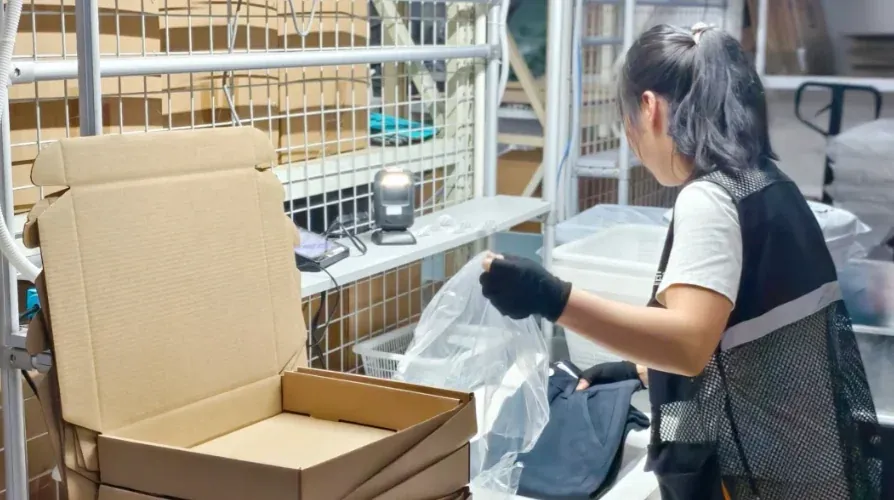
Agree the packing instructions before work begins. Record the finished carton dimensions, gross weight, and approved packing version before dispatch.