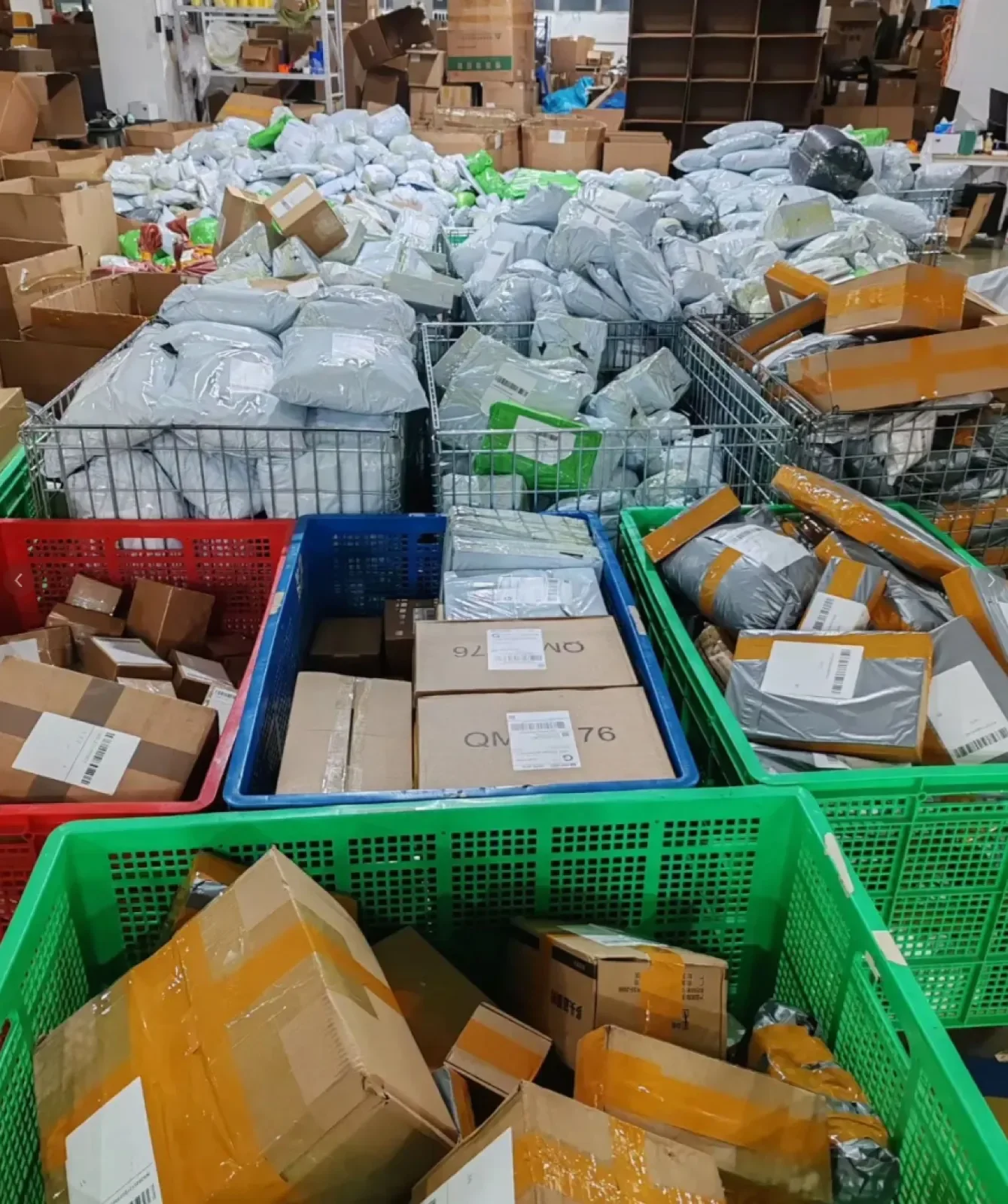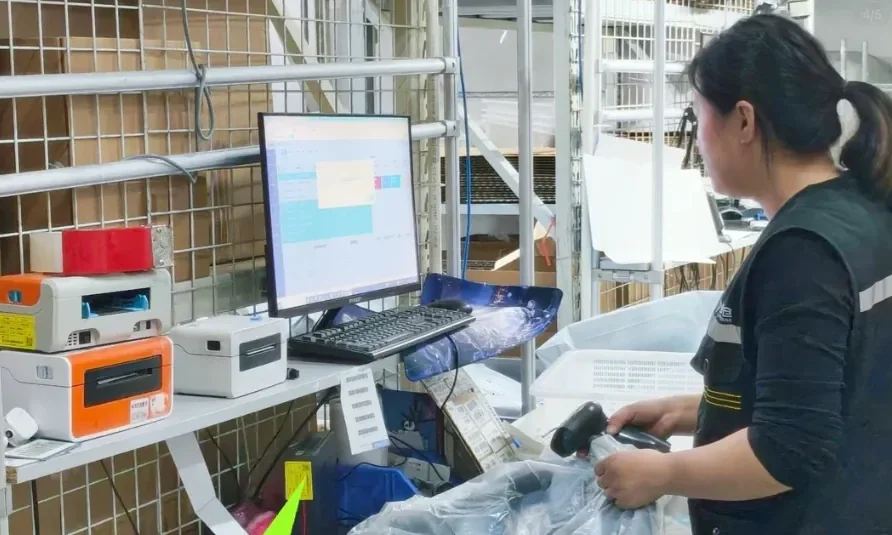
Agree how order changes and exceptions reach the warehouse before live fulfillment begins. A request to cancel or change an address needs an operational acknowledgment. The warehouse status and carrier handoff determine which actions remain possible.
Keep one order reference and version
Match the store order reference to warehouse order records, SKU variants, unit quantities and the approved packing specification. Define who owns updates and how duplicate submissions are identified. Send an explicit revised instruction rather than an ambiguous second order.
Define the point at which changes need review
Agree which changes can be accepted before picking, after packing and after carrier collection. Record the request time, warehouse acknowledgment, current status and approved action. Do not tell a customer that dispatch has stopped until the responsible operator confirms it. A store cancellation or refund does not automatically establish that a parcel has been stopped.
Handle unavailable inventory before release
Identify the affected SKU and quantity, whether stock is missing or on hold, and the expected next update. Agree whether the order waits, ships partially or requires another decision. A substitute size, color or product requires the agreed approval. Confirm any added handling or freight charge before a split release.
Review a wrong-item report using records
Match the original order, variant specification, packing record and shipment reference. Collect the agreed evidence of what was packed and what arrived through the secure support workflow. Similar variants need clear distinguishing details at picking, such as size, color, component count or the agreed product identifier.
Assign an investigation owner and next review time. Record findings and the approved corrective action separately from assumptions about the cause. Replacement dispatch, physical returns and customer refunds are distinct decisions; confirm their scope, costs and authority.
Use an exception record
- Order and shipment references; affected SKU and units.
- Issue type, reported time and known fulfillment stage.
- Evidence references and unresolved information.
- Responsible contact, proposed action and approval reference.
- Warehouse or carrier acknowledgment and next review time.
- Final outcome and any agreed stock or charge correction.
Use references instead of customer personal information in the initial service brief. Agree record access and retention with the actual operational workflow.
Test changes before going live
Include a duplicate order, unavailable variant, packing-material shortage, cancellation and address-change request in onboarding review. Confirm that the chosen method produces a clear acknowledgment and preserves the current approved instruction. Automated store connections and response targets are confirmed only after feasibility review.
Scope customer order fulfillment · Use the pilot checklist · Plan the return route
Shopify cancellation: request, response and stock check
For an app-connected fulfillment service, Shopify distinguishes a request that has not yet been accepted from one the service has accepted. An unaccepted request can be canceled in the admin. After acceptance, send a cancellation request and wait for the service to accept or reject it; a rejection means fulfillment continues.
If the service confirms cancellation but cannot update Shopify, confirm that outcome before reverting the fulfillment status manually. Check inventory quantities afterward. Before moving the order to another operator, reconcile the canceled work and remaining units so the same order is not dispatched twice.
During onboarding, test both stages using the proposed connection. Record the store request, operator response, physical work status and stock correction. The exact workflow depends on the app and service arrangement.
Shopify official app-fulfillment guidance, checked 2026-10-06. This explains Shopify behavior; it does not establish that our service offers a particular integration.
If orders use Shopify’s email-based fulfillment method
The app-connected cancellation sequence above does not describe every fulfillment arrangement. Shopify instructs sellers using a custom email-based service to contact that service directly for changes or cancellation. Progress is not automatically updated by that custom service; tracking can be added manually after dispatch.
Agree where the operator acknowledges changes, who updates the store and how both records are reconciled. Confirm the physical action before making a customer promise.
Shopify email-based custom fulfillment guidance, checked October 6, 2026. Confirm the actual order method during onboarding.
Community questions
Reviewed 2026-10-06. These anecdotal discussions inform planning questions, not prices, marketplace fee rules, holiday schedules or service guarantees.
When a shipping route is paused
Confirm the notice with the responsible operator: affected destination countries, service, product scope, effective time and time zone. Record the notice reference and next review time. A pause affecting one route does not establish that every destination or carrier is unavailable.
Reconcile the affected open orders
Make a list of orders awaiting acceptance, picking, packing or collection. Record each parcel’s current status and whether a physical handoff is confirmed. Ask the operator to acknowledge which releases are held; a store status change alone does not stop warehouse activity. Keep already collected parcels under their existing tracking and investigation process.
Agree what happens to held stock
Identify the SKUs, quantities, allocated orders and packed parcels remaining at the facility. Confirm storage arrangements, any extra handling charges and who can approve unpacking, reallocation or transfer. Keep reserved units identifiable until the affected order decision is confirmed.
Review an alternative before changing the route
Request actual product and destination acceptance, finished parcel measurements, required documents, carrier scope, quoted fees and the estimate basis for any proposed alternative. A previously used service is not evidence that it can accept the current parcel. Local destination stock, bulk transfer and direct China dispatch are separately scoped arrangements.
Record the original and proposed route, quote version, additional work and decision owner. Confirm new label and tracking references and identify superseded instructions before dispatch. Do not send a duplicate replacement order while the original release remains unresolved.
Update customers and confirm restart
Use the last verified order status and agreed next update time. Review any published delivery estimate for affected destinations. Customer-facing cancellation or refund decisions follow applicable requirements and the agreed process; they are separate from confirming the physical parcel action.
Before resuming releases, obtain confirmation of route availability and applicable conditions. Reconcile held orders, stock allocations and current packing instructions. Record the quantities and orders approved to resume, rather than treating the end of a pause as approval for every pending order.
Download the blank route pause order review (CSV). Use one row per affected order or parcel; keep recipient details in your secure order system.
Community question informing this checklist
Reviewed 2026-10-06. A public discussion about UK shipping being withdrawn prompted this planning checklist. It is editorial guidance, not an independently verified case or a promise of alternative service. Advertised prices, transit estimates and claims about an agent’s obligations are excluded.