
Warehousing & Consolidation
Receive, organize, and consolidate supplier inventory at our Guangzhou warehouse.
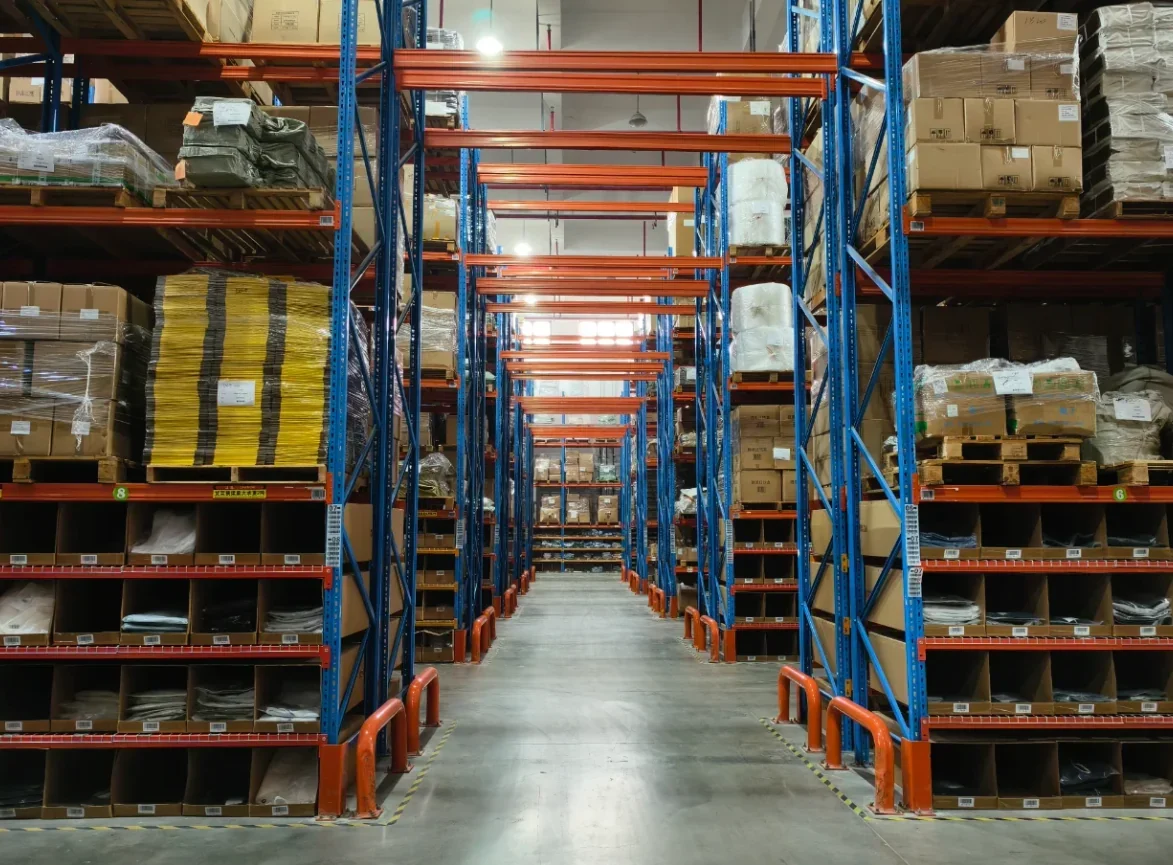
From receiving to release.
- Multi-supplier receiving
- Storage & inventory organization
- Repacking & outbound consolidation
Explore this service 20 sections
Service planning details
Keep destination approvals visible in the stock plan.
Multi-supplier receiving and consolidation need traceable batches and country-specific packing instructions. Approval for one destination does not automatically cover another.
- Maintain SKU, supplier/PO, batch, evidence and approved label-version references.
- Separate held stock and country-specific variants before consolidation.
- Reconcile the approved quantity, final packing list and named release decision.
Confirm the seller, appointed specialist and warehouse responsibilities separately. Agreed physical checks and prep records support the handoff; testing and regulatory review require a separately confirmed scope.
Bring multiple supplier shipments together at one China-side starting point. We organize receiving, agreed inventory records, storage, and outbound consolidation around your replenishment plan.
What we can handle
- Receiving from multiple Chinese suppliers
- SKU and carton reconciliation
- Agreed storage and inventory organization
- Repacking and carton consolidation
- Kitting and order assembly by agreement
- Outbound packing lists and shipping handoffs
Your shipment workflow
- Send your supplier list, SKU details, and arrival schedule.
- Receive stock and reconcile expected quantities.
- Agree storage duration and outbound allocation.
- Consolidate inventory and release the shipment.
Confirm before you ship
Storage conditions, product restrictions, receiving fees, and handling charges are confirmed before arrival. Shipment cost depends on packed dimensions, weight, destination, and transport method. Sensitive or regulated goods require a separate review.
Track each supplier delivery through to release
At receiving
Connect each incoming delivery to its supplier, order reference, SKU list, and expected quantities. Record visible damage or discrepancies within the agreed receiving scope.
At consolidation
Build the outbound packing list from actual receipts. Agree repacking before changing cartons, then record final carton count, dimensions, weight, and contents.
Keep exceptions separate from ready stock
Missing quantities, damaged packaging, unidentified items, and products awaiting approval need a clear next-step instruction. The release list should match the inventory approved to ship, rather than the original supplier order alone.
Reconcile every stock release
Use actual receiving records to confirm which stock is available for each outbound shipment.
Scroll horizontally to view all columns.
| Movement | What the record connects |
|---|---|
| Expected delivery | Supplier, purchase reference, SKU, and expected units |
| Actual receipt | Received units and recorded discrepancies |
| Held stock | Quantity awaiting identification, review, or further instruction |
| Approved allocation | SKU and quantity assigned to the next shipment |
| Outbound cartons | Contents, final carton count, dimensions, and gross weight |
| Remaining inventory | Stock retained after the approved release |
Agree record detail and reporting frequency before arrival. Quantities and final packing data are confirmed for each release.
Check the physical balance before allocating stock
For each SKU, location and reporting period, reconcile opening stock plus actual receipts, less dispatches and completed physical removals, plus any signed correction. Keep goods still in transit outside the physical balance. Approved removals awaiting completion remain on hand and held until the units are physically removed or disposed of.
Then divide the closing stock into agreed, non-overlapping quantities: held for review, reserved for an existing release, and available for a new allocation. Do not add these quantities to the physical balance a second time.
Illustrative example: 100 opening units + 40 received − 20 dispatched − 5 physically removed = 115 on hand. If 10 are held and 30 reserved, 75 remain available for a new release. This is a planning example, not a customer stock report.
Download the stock balance record (CSV) · Read the record instructions (TXT)
Before inventory arrives
Share your SKU list, quantities, product dimensions and weight, supplier references, requested checks, and destination. Agree receiving instructions and special handling before dispatching stock to us.
Use the shipment preparation guide
Keep supplier purchases separate from the shipping decision
Several supplier orders can share one receiving plan without becoming one purchase order. Keep each supplier, purchase reference and expected delivery identifiable until quantities and condition are reconciled.
Compare separate dispatches with a consolidated release using supplier locations, ready dates, domestic transport, waiting storage, repacking and the same destination. A lower international freight figure alone does not establish a lower total cost.
Questions about this service
Can several suppliers send products to Guangzhou?
Yes. Share a supplier list, SKU quantities, purchase references, and expected arrival dates. Use the confirmed receiving instructions so each delivery can be matched to your inventory plan.
Can inventory be stored and released in batches?
Yes, subject to the agreed storage scope. Share expected stock levels, storage duration, and batch-release instructions so storage and handling can be included in the plan.
Can I wait for all suppliers or release a partial shipment?
Tell us whether to wait for all expected arrivals or release approved stock in batches. Each release list should identify the goods dispatched and the inventory remaining in storage.
How are fragile, oversized, battery, or liquid products handled?
Flag these products before sending stock. Acceptance, packaging, inspection, transport, and destination restrictions need to be reviewed for the specific item and route.
Plan supplier arrivals and stock releases
Share supplier references, arrival dates, expected stock levels, and your consolidation or batch-release plan.
Request a service quotePlan the quantity held and each release
For staged replenishment, distinguish accepted stock, reserved units, prepared cartons and goods handed to the carrier. Confirm the actual marketplace destinations and delivery bookings for each batch before collection.
Use the phased replenishment guide · Prepare multi-supplier bundles
Plan beyond the supplier-ready date
Include receiving, inspection, preparation, release approval, carrier collection and destination receiving in your replenishment timeline. Confirm supplier, warehouse and carrier calendars separately.
Keep batch and condition records with stored stock
For products with lot or date information, identify the batches and their original marks, quantities and approved interpretation. Confirm product acceptance, storage needs and allocation rules for the actual job. Keep unresolved condition issues separate from stock approved for dispatch.
Prepare batch records before release
Moving stock from another facility
Confirm release authorization, outgoing SKU counts, condition, packing-material balances and the new receiving instructions. Keep held inventory and open customer orders identifiable. Reconcile stock after receipt before approving it for sale or dispatch.
Reconcile stock before release
Keep expected receipts, counted units, inspection holds and order allocations identifiable by SKU and facility. For a count difference, record the evidence, follow-up owner and approved adjustment before releasing affected quantities.
Plan remaining stock when orders stop
Reconcile products, packaging materials, holds and incomplete work before choosing continued storage or an approved transfer. Confirm billing stop events for each charge and retain evidence for partial releases and unresolved balances.
Keep component allocations with the assembly job
For sets sharing materials, identify the quantity reserved for each assembly job and the remaining free components. Separate actual consumption, incomplete work, finished sets and any approved return of unused materials.
Plan shared-component allocation · Download the assembly record (CSV)
Keep supplier arrivals identifiable
Link receiving references, supplier documents and each inbound parcel to expected SKU quantities. Keep partial or unidentified receipts and provisional counts separate from approved available inventory.
Reconcile loose packaging materials
Record packing consumption, samples, rework and damaged materials against each approved material version. Check the physical balance and existing reservations before allocating packaging to another job or approving replenishment.
A stock record for each supplier arrival
Connect each supplier arrival to the stock you can release, the exceptions on hold and the quantities selected for consolidation.
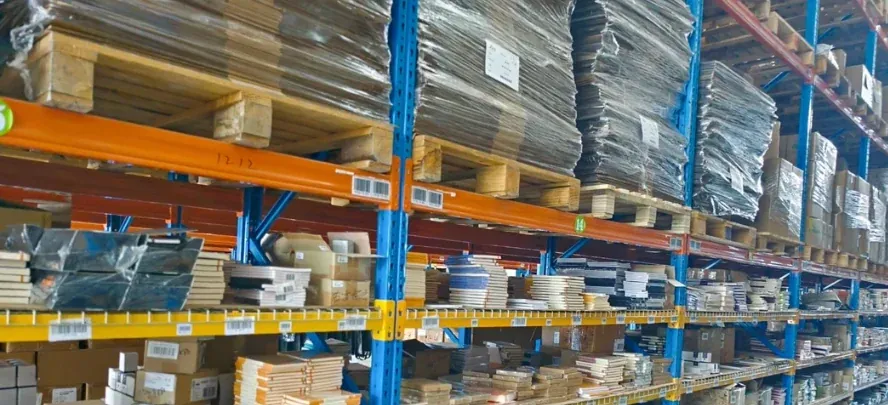
OPERATIONS RECORD
Keep supplier, SKU, batch, and received quantities together in the stock record. Approve the selected balance before release.
Shared Jeton Express operations photo. Request the evidence agreed for your own batch.
- Receiving reference: Identify the supplier, purchase order, inbound tracking reference and expected SKUs before delivery. Agree carton or unit counting scope.
- Available and held stock: Separate quantities available for release from shortages, damaged items, mixed variants and stock awaiting instructions.
- Consolidation decision: Name the supplier batches and quantities to combine. Confirm whether repacking, relabeling or kit assembly is included.
- Release approval: Keep the approved destination, carton list and stock balance with the instruction. Record who approved release and which inventory remains.
My China Warehousing is operated by JETON EXPRESS SERVICE LIMITED. See company details and operations photos, or use the shipment planning templates to prepare your conversation.
Plan your next handoff
- How to Consolidate Orders from Multiple Suppliers in China
- What to Include in a China Warehouse and Fulfillment Quote
- Phased FBA Replenishment from China: Stock, Cartons and Release Control
- China Replenishment Planning: Lead Times, Holidays and Stock Readiness
- Batch and Date Records Before China Stock Is Released
- China Fulfillment Inventory: SKU Balances, Reservations and Stock Differences
Agreed checks. Recorded decisions.
Specify product checks, preparation instructions, and how exceptions should be reviewed before stock is released.
Start with your inventory brief.
Share your products, quantities, destination, and required work so the quote can be scoped around this service.