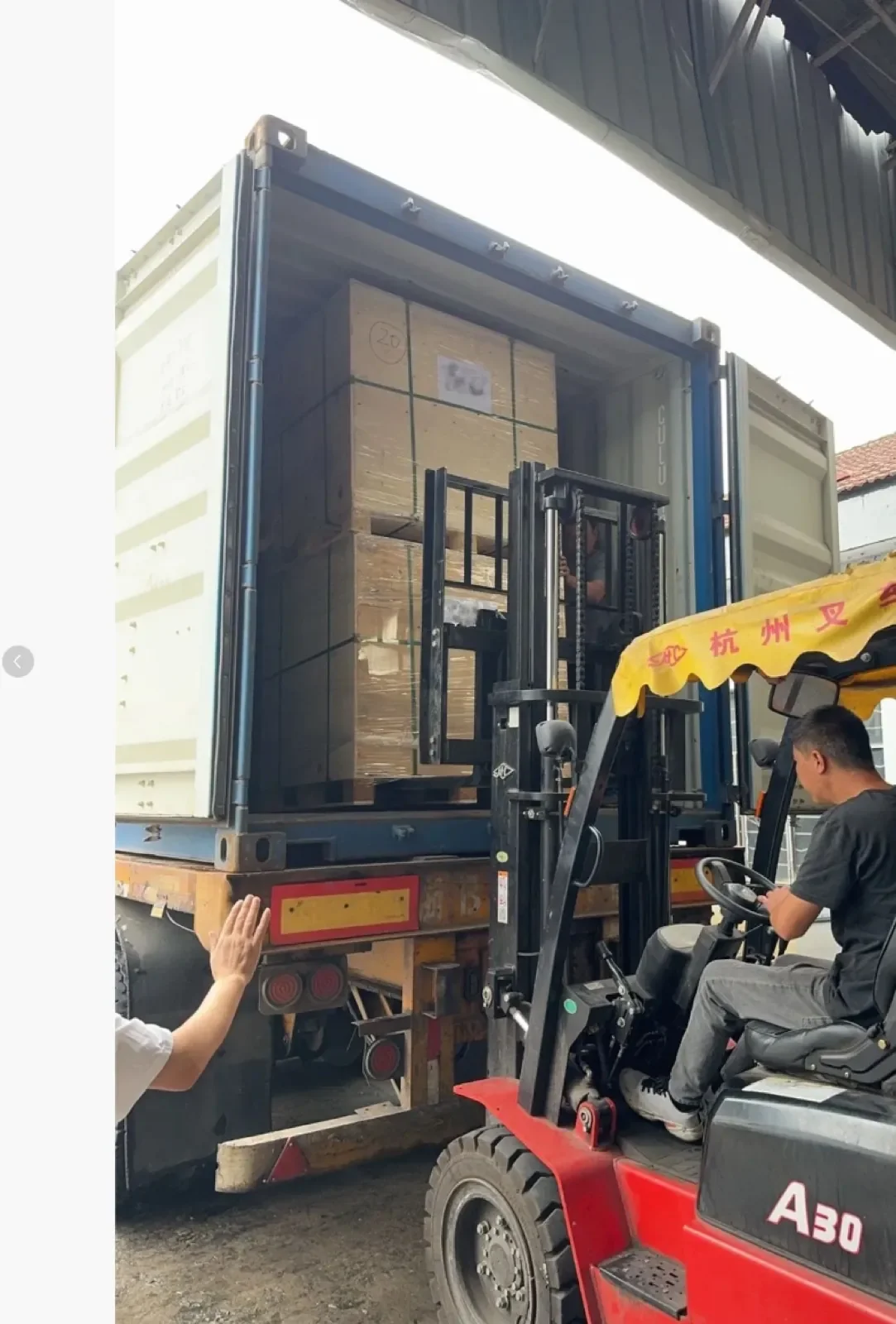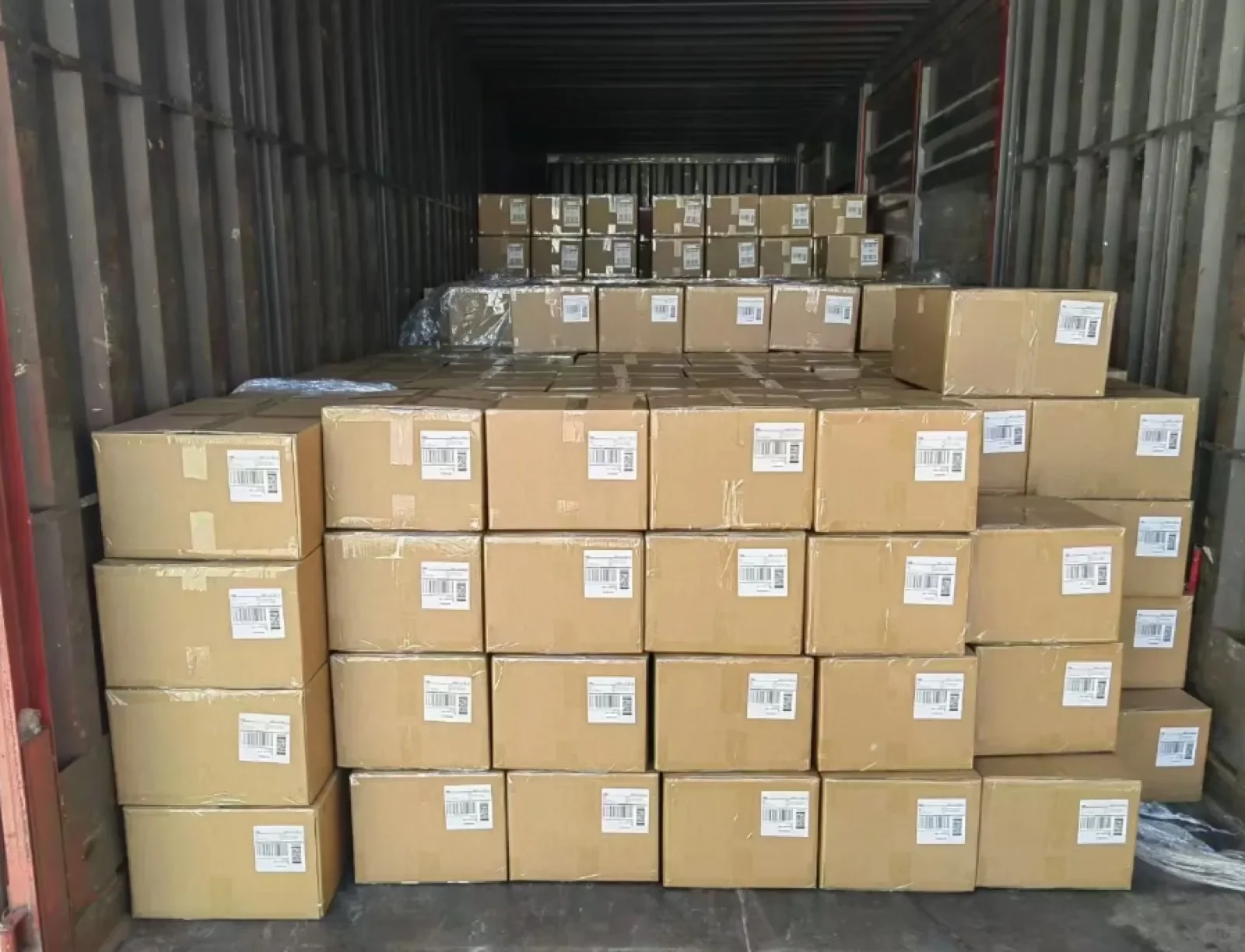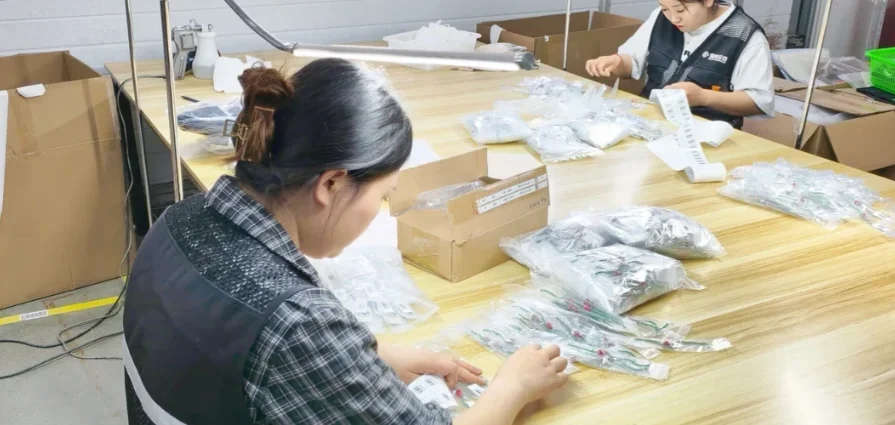
A packaging brief should describe the product’s vulnerable points and show how the finished sellable unit will be protected. “Add bubble wrap” leaves unanswered questions about material, fit, closure, label position and the final packed size.
Describe the product and its handling needs
Share material, dimensions, weight, fragile edges or surfaces, loose parts and the existing supplier packaging. Include photos of damage seen in your own stock, if available. Flag liquids, sharp parts, batteries, temperature sensitivity or other special handling before sending inventory. Acceptance, checks and transport must be reviewed for the actual product.
Approve the finished packing sample
- Identify the product, variant and packaging version.
- Specify agreed cushioning, separators, supports and closure materials.
- Show how components are held in place and which surfaces need protection.
- Record product and information-label positions on the final packed unit.
- Measure the packed unit and carton in cm, with gross weights in kg.
- Record the sample approval and who may authorize a material substitution.
Discuss any packaging test separately: method, coverage, acceptance criteria and who performs it. A photo, visual check or warning sticker alone does not demonstrate transport performance. Any required formal testing or marketplace packaging program needs its own confirmation.
Check readable labels after protection is added
Use approved artwork sized for the real packed surface. Check printed clarity and the agreed barcode scan result after wrapping, bagging or boxing. Review whether cushioning or a new label obscures existing required information. Product-information placement needs approval for the product and destination; warehouse prep is not a compliance certification.
Record condition before changing packaging
During receiving, document the agreed checks for crushed cartons, damaged seals, wet packaging, staining, unexpected swelling or visible product damage. Identify the supplier, SKU and affected quantity. Separate stock with an unresolved condition issue from goods approved for prep.
Do not treat a fresh carton as evidence that affected goods are fit for sale. Agree whether additional assessment, supplier replacement, repacking or another action is appropriate. Repacking is performed only within the approved scope.
Review stock that has waited in storage
If a product uses vacuum or compressed packaging, agree whether its condition and dimensions need rechecking after storage and before release. Supply any product-specific storage instructions. Confirm whether the receiving, warehouse and transport arrangements can meet them before stock moves.
For moisture-sensitive goods, specify the condition checks and any handling materials with the relevant product or packaging specialist. Do not assume adding a desiccant resolves damage or establishes suitability.
Close the loop at dispatch
Keep the approved packing sample, material version, check coverage, condition exceptions and release decision with the carton record. Reconcile actual SKU quantities, current product and carton labels, shipment-plan version and final measurements after rework. Share the evidence required for the next handoff.
A material substitution or revised packing sample needs its own change decision. Identify the affected batches and product or material quantities, update the instructions, and retain completion and recheck evidence with the actual method and coverage. Approving the change or completing repacking does not authorize dispatch. Review the affected stock and cartons against any earlier release approval, then record a final decision covering the current version and exact quantity before handoff.
Download the product change record (CSV) · Review change and recheck decisions · Read the record filling guide (TXT)
Scope protective packaging and checks Review dispatch records
Seller questions behind this guide
Public WeAreSellers discussions helped identify the planning questions below. Individual reports do not establish current marketplace rules, product eligibility or our service performance. This is original editorial guidance; checks and records are agreed for the actual job.
- Vacuum-packed bedding, swelling and moisture concerns
- Unfulfillable stock and unclear protective packaging
- Small packaging and blurred information labels
- Packaging and preparation discussion
Editorial review: 2026-10-06.
From preparation to a clear record
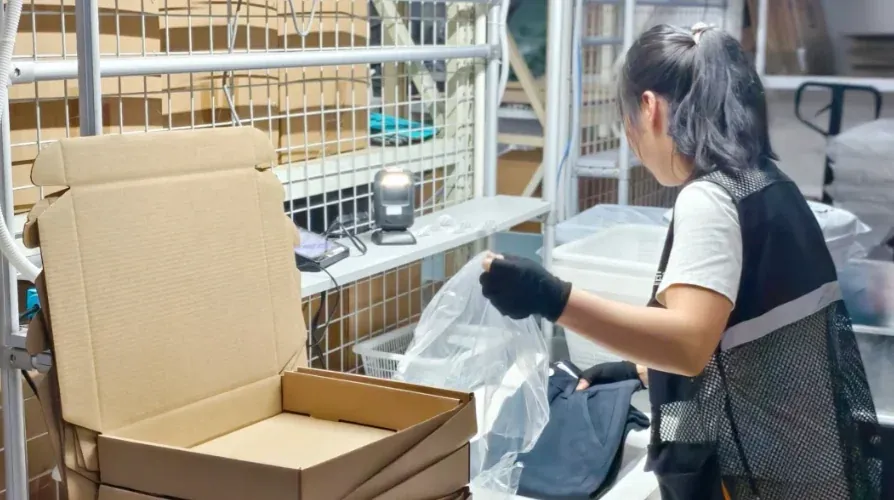
Agree the packing instructions before work begins. Record the finished carton dimensions, gross weight, and approved packing version before dispatch.