
A warehouse in guangzhou gives overseas ecommerce sellers a base between their Chinese suppliers and the ports that ship to Amazon, Walmart, and direct customers. It receives goods from many factories, confirms quantities, stores them, and releases them in one consolidated outbound plan.
For sellers sourcing across 1688 and Guangdong factories, the location cuts transit time and keeps inventory visible before it leaves the country.
Why Guangzhou is a natural fulfillment hub
Guangzhou sits next to major manufacturing clusters and within reach of Nansha and Shenzhen ports. That means shorter trucking from the factory to the dock and faster consolidation of orders placed with different suppliers. A warehousing and consolidation base turns scattered supplier deliveries into one controlled shipment instead of several partial ones.
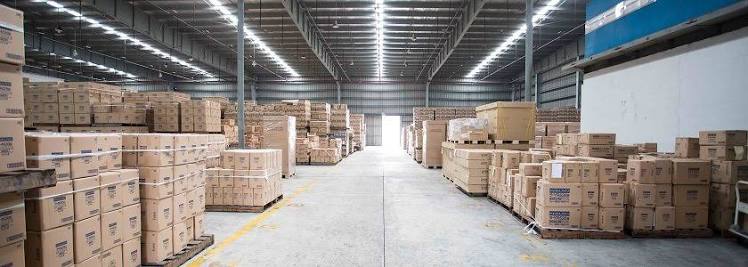
What a Guangzhou warehouse does for sellers
The core jobs are receiving, SKU verification, storage, and release:
- Receiving and check in. Cartons are logged against the supplier packing list and any dock damage is recorded.
- SKU verification. Units are matched to the correct SKU so mixed supplier goods do not blend in storage.
- Storage. Inventory is held by pallet, shelf, or bin with stock counts updated as goods move.
- Release and outbound. When you forecast demand, the warehouse picks, packs, or forwards the cartons to the chosen channel.
Consolidating multiple suppliers into one shipment
Most sellers do not buy from a single factory. When three suppliers each send a carton, a Guangzhou warehouse can hold all three and ship them together once every piece has arrived. This is the clearest way to lower freight and simplify inbound. The guide to consolidating orders from multiple suppliers covers the handoff and label steps in practice.
How storage and outbound billing work
Warehousing is usually billed by occupied volume, by pallet, or by day, plus handling when goods are received or released. Ask for the storage rate, the free receive allowance, and any minimum charge before you commit. A clear warehouse and fulfillment quote lists each line so you can model cost against your order frequency.
Who should use a Guangzhou warehouse
It fits sellers who buy from several suppliers, run more than one sales channel, or need a buffer between factory lead time and platform replenishment. If you sell on Amazon and direct, the same stock can feed both. The China fulfillment partner checklist helps you verify a provider before handing over stock.
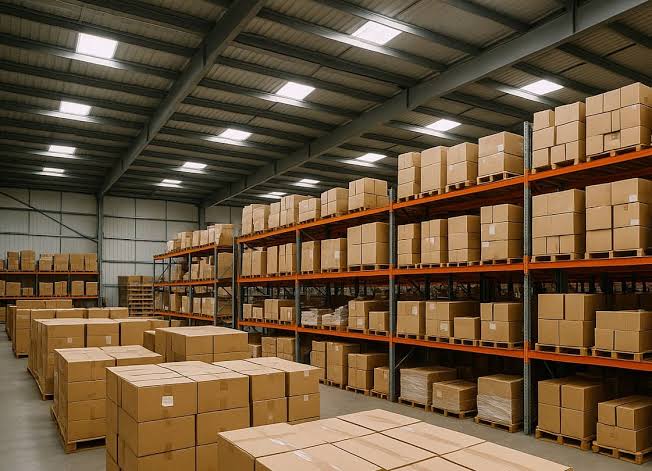
How warehouse storage connects to FBA, WFS, and dropshipping
Storage is the starting point for the rest of your fulfillment. From one Guangzhou location you can send prepared cartons to FBA prep, route units to WFS prep, or feed a two step dropshipping flow that picks and packs per order. Keeping these steps under one roof reduces handoffs and gives you one stock view.
Conclusion
A warehouse in guangzhou is the hub that makes multi supplier sourcing manageable. It receives, verifies, stores, and consolidates so the right goods leave together. Request a warehouse quote with your supplier map and monthly volume.
Frequently asked questions
Why put a warehouse in Guangzhou instead of Shenzhen or Yiwu?
Guangzhou is central to many Guangdong factories and close to Nansha and Shenzhen ports, which shortens supplier pickup and export trucking. Sellers with Guangdong supply chains save the most on local transit.
Can one warehouse handle Amazon, Walmart, and direct orders?
Yes. Storage is channel neutral. The same stock can be released to FBA prep, WFS prep, or a dropshipping pick and pack flow based on your daily demand.
How is consolidation billed?
Consolidation is usually covered by receiving and storage plus a small handling fee at release. You pay for the space and the touches, not per merged shipment, though minimums vary by provider.
What should I check before signing a warehouse?
Confirm location, storage rate basis, receiving allowance, inventory visibility, and how they handle exceptions. A provider that shares stock data and photos is easier to trust than one that does not.
Do I need my own freight forwarder?
Not always. Many Guangzhou warehouses work with forwarders for outbound, but you can keep your own. The key is a clean handoff record at the dock so responsibility is clear.
How much stock should I keep in Guangzhou?
Hold enough to cover supplier lead time plus your replenish buffer, but not so much that storage cost outweighs the freight saved. Model it against your sales velocity per SKU.