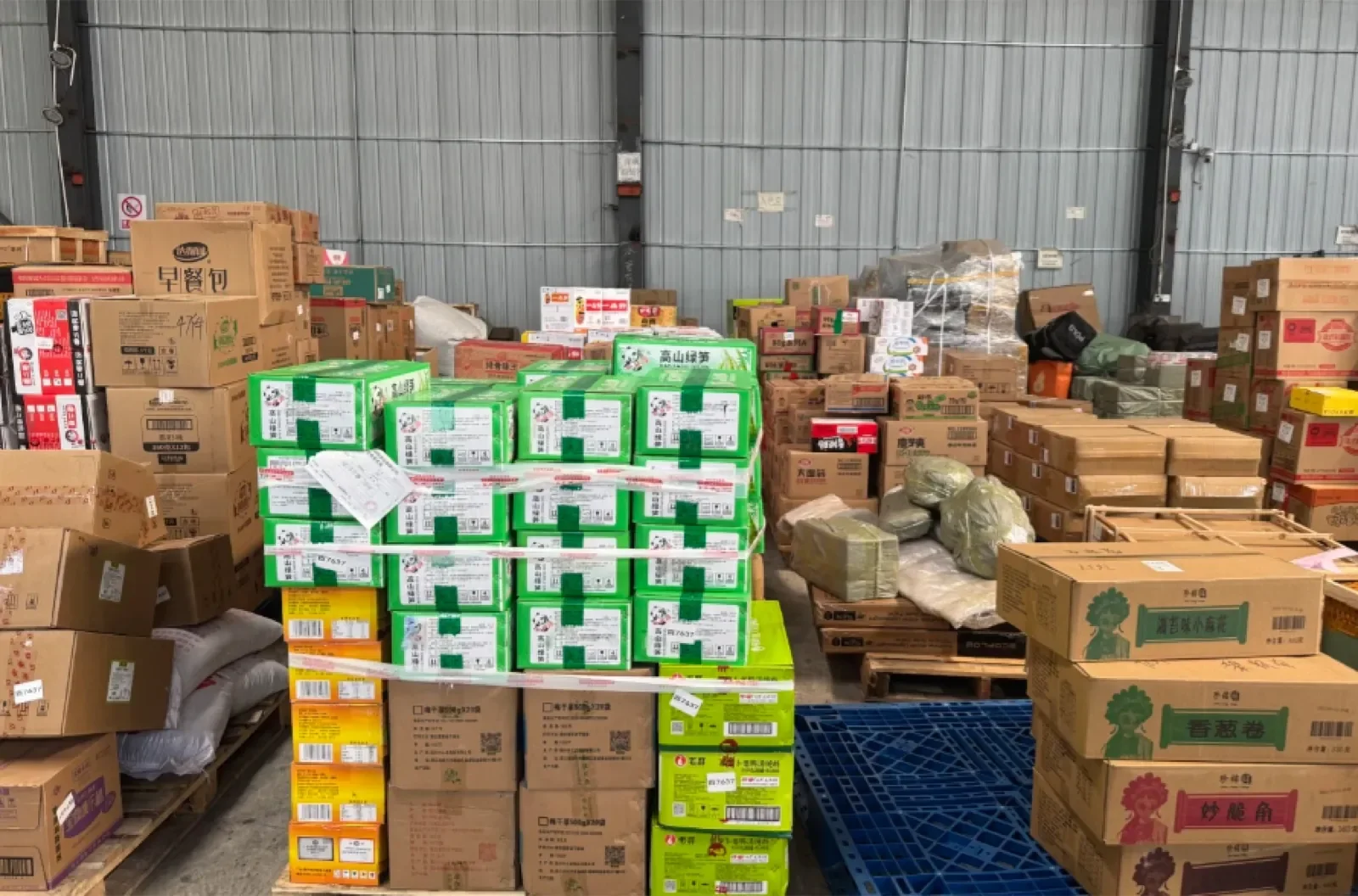
Consolidation connects several supplier deliveries to one agreed release plan. Start by making each delivery identifiable, then decide what can ship together and what must wait.
Build a supplier arrival list
For each supplier, record its order reference, contact, SKUs, variants, expected quantities, carton count and ready date. Add packed dimensions and weights when available. Identify fragile products and any packaging, labeling or inspection requests. Obtain confirmed receiving instructions before asking suppliers to dispatch.
Reconcile each delivery separately
Agree how expected and received quantities will be compared. Keep supplier references attached to the stock record. Discuss how packaging damage, missing units, wrong variants or unidentified cartons will be reported, who reviews each discrepancy and whether affected stock should remain on hold.
Choose whether to wait or split the shipment
Compare the dates and quantities already received with deliveries still outstanding. Discuss storage charges, the cost of additional handling, transport options and the customer’s required release date. Consolidation does not automatically reduce total cost: waiting time, protective packaging and destination handling can change the comparison.
Compare separate and consolidated dispatch
Keep the procurement record separate from the physical shipping plan. Each purchase reference still identifies its supplier, expected goods and received quantities when several deliveries are combined.
Scroll horizontally to view all columns.
| Input | Separate dispatch | Consolidated dispatch |
|---|---|---|
| Supplier readiness | Each delivery can be planned independently. | The release may wait for the agreed supplier group. |
| China handling | List preparation and collection for each shipment. | List domestic transport, receiving, waiting storage and any repacking. |
| Final transport | Use each shipment’s actual packed measurements. | Use measurements after the consolidated pack is approved. |
| Destination scope | Include the agreed delivery and handling for every movement. | Confirm the scope and documents for the combined movement. |
Example: supplier A is ready now and supplier B is still pending. Request one plan releasing A separately and another waiting for B. Compare the release date, storage period, preparation work and total quoted scope. This is a hypothetical decision example, not a savings claim.
Question sources: multiple suppliers and shipping options and ordering from several factories. These archived seller questions explain the need for a comparison; they do not establish export requirements or service performance.
Approve the final packed shipment
Confirm carton contents, dimensions, gross weights and the approved packaging version after repacking. Record the customer approval and any unresolved exception. Identify the responsible party for collection and onward transport, and agree what handoff record will be supplied.
Keep a clear stock balance
For partial dispatches, distinguish quantities received, held, approved for release, dispatched and remaining. Agree the update frequency and record owner. Do not assume that a warehouse record means stock has already been received or made available by a marketplace.
Download receiving and dispatch templates
Discuss your shipment
Service scope, checks, records and routing are agreed for your project. Share your requirements before sending stock.
Request a quote Explore the related service
Editorial basis: recurring planning questions in the project research archive. This is an original checklist, without customer statistics, competitor pricing or marketplace certification claims.
When deliveries become finished bundles
Keep supplier components and finished sets in separate records. Check whether packaging or one missing component limits the complete-set quantity. Record accepted receipts, assembly consumption, completed sets and remaining stock.
Use the component-to-set assembly guide
When the consolidated stock leaves in batches
Give each release a stock allocation, carton list and approved destination. Confirm how shipment references and bookings apply to each actual movement.
Consolidating one customer order from several suppliers
Define the exact component SKUs and units for each customer basket, including customer-selected combinations. Match each supplier receipt to the component record and confirm which goods are approved and available before packing.
Set a completeness rule
Agree whether an incomplete basket waits, is cancelled or needs approval for a partial shipment. Define the review time and the person who authorizes changes. Do not treat a supplier dispatch notice as proof that the component is received and ready.
Check the final parcel
Confirm component count, variant, inserts and protective packing against the order. Measure the combined package and review transport acceptance. Some combinations require separate parcels; confirm contents and tracking for each parcel and explain the actual split.
Receiving, waiting storage, assembly, packaging and additional parcels affect scope. Compare complete order and parcel costs.
Question source reviewed 2026-10-06: Multi-supplier dropshipping bundles. This is needs evidence, not a guarantee of consolidation savings.
Match supplier arrivals before making stock available
Use the confirmed warehouse receiving reference on the supplier’s dispatch records. Connect each purchase reference, carrier tracking number and carton group to the expected SKU quantities. Keep receipt identification separate from the later inspection and stock-release decision.
Record partial and unidentified arrivals
If a supplier sends several parcels, record each arrival separately and leave undelivered cartons pending. A delivered tracking number does not establish receipt of every parcel or every expected unit. For goods without a recognizable project or SKU reference, request clarification before assigning them to available inventory.
Agree which carton marks, packing list and item identifiers the supplier should provide before dispatch. Record a revised document version if contents change. Avoid resolving an unidentified delivery solely by matching its arrival date or apparent product appearance.
Separate delivery evidence from the receiving result
Retain the carrier delivery reference alongside the counted carton and unit quantities, apparent condition and any unresolved points. Record what was actually checked: a carton count does not establish the contents of sealed cartons, and a unit count does not establish that quality inspection is complete.
For differences, link the supplier’s expected record to the received quantity and supporting evidence. Name the clarification owner and next review time. If counting is still underway, label the result provisional instead of treating it as a final shortage or adjusting the inventory without explanation.
Close each receipt with a stock-status decision
Identify the units approved for storage, inspection, assembly or dispatch and the units still held. Reconcile later-arriving cartons and corrections against the same supplier reference. Keep original counts and approved adjustments traceable so incoming deliveries are not counted again as new stock.
Download the blank supplier arrival review (CSV). Use one row per identifiable carton group or parcel, linking detailed SKU counts in the agreed receiving system.
Community question informing these checks
Reviewed 2026-10-06. A public question about 3PL receiving checks prompted this editorial handoff checklist. It does not establish a universal receiving standard, inspection coverage, claims entitlement or our service performance.
From preparation to a clear record

Keep supplier, SKU, batch, and received quantities together in the stock record. Approve the selected balance before release.