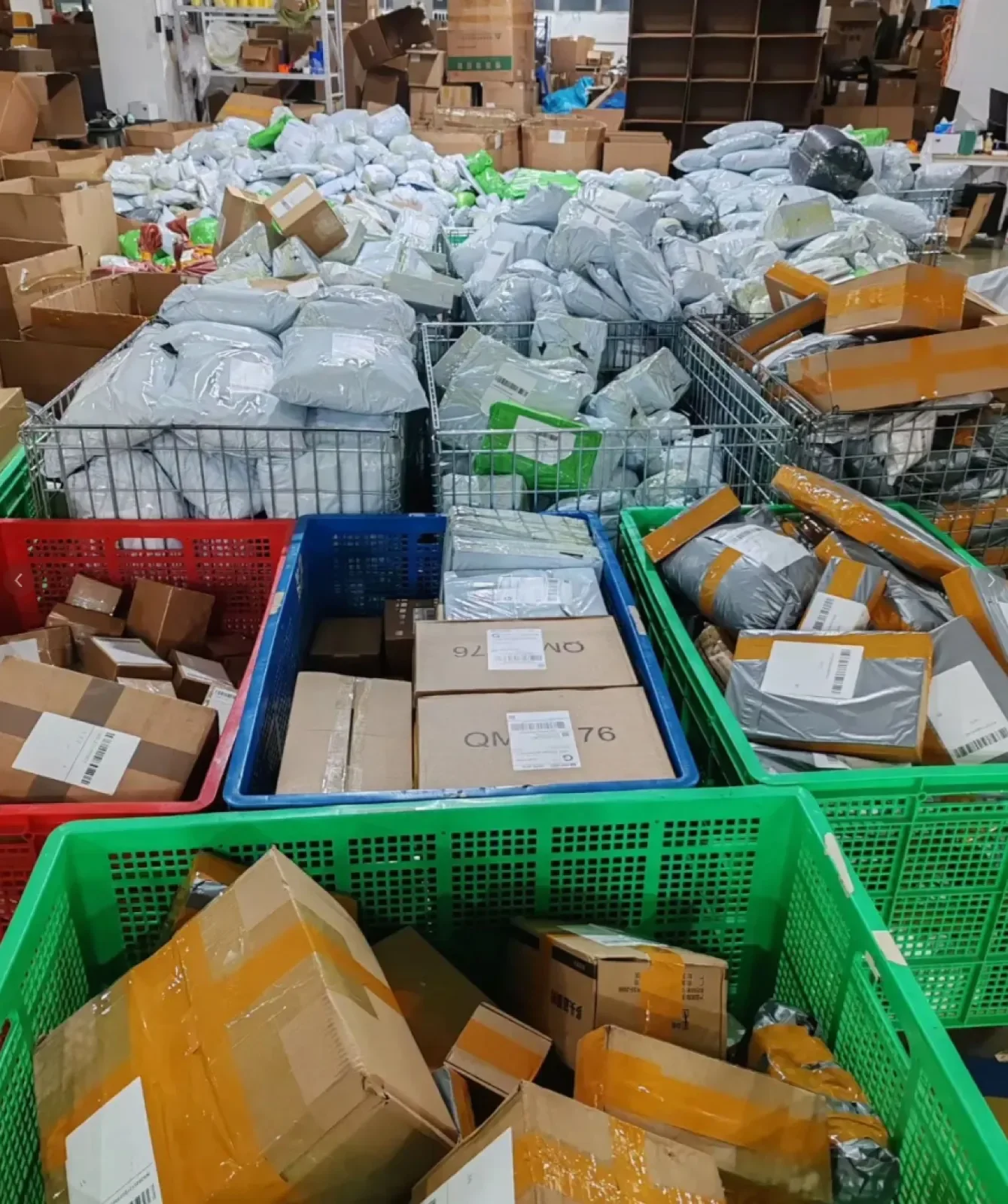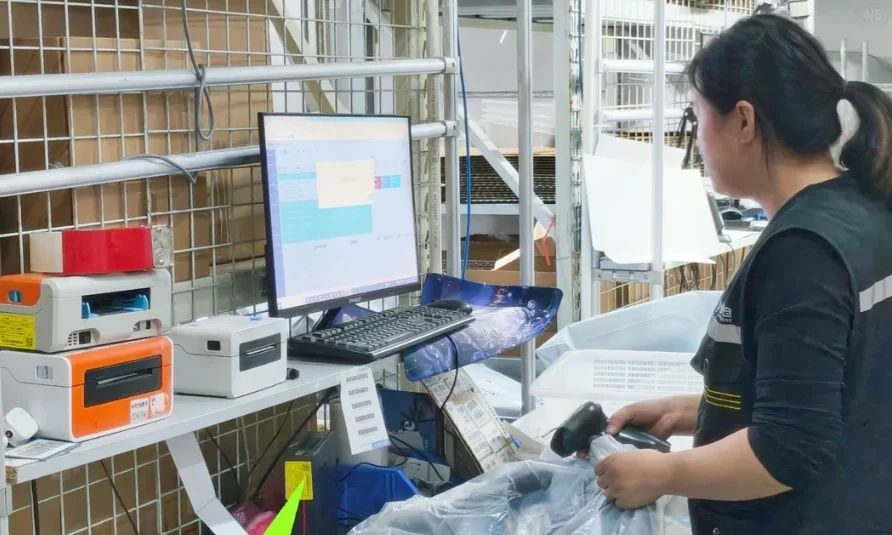
Compare shipping offers using the same finished parcel, destination country and service scope. A supplier’s product weight or unit price alone does not describe the cost of a packed customer order. Confirm actual route terms before deciding how to fulfill.
Describe the parcel the carrier will receive
Provide outer packed length, width and height in cm, gross weight in kg, product category, units per order and parcel count. Identify batteries, liquids, fragile goods or other handling needs before requesting transport. Mark early measurements as estimates and replace them after a packing sample is approved.
For bulky products, compare the current pack with a proposed smaller pack using physical samples. Confirm product protection and condition after unpacking; compression or folding is a product-specific feasibility question, not an assumed service.
Ask for the chargeable-weight basis
Request the actual route’s dimensional-weight method, units, measurement point, rounding and minimum billed weight. Ask how carrier remeasurement is handled and what evidence supports a revised charge. Do not substitute a divisor from a community post or another carrier’s service.
Confirm which final parcel measurement the quotation uses. A smaller supplier carton does not establish the dimensions of the customer parcel after inserts, protective packing or a presentation box are added.
Worked example: compare the finished pack
DHL Express UK documents centimetre dimensions divided by 5,000 and uses the greater of actual and volumetric weight. The hypothetical packs below apply that method before rounding, minimum charges or surcharges. They are not route quotations.
Scroll horizontally to view all columns.
| Pack | Outer size (cm) | Gross weight (kg) | Volumetric weight (kg) | Greater weight (kg) |
|---|---|---|---|---|
| A | 40 × 30 × 20 | 2.0 | 4.8 | 4.8 |
| B | 30 × 20 × 15 | 2.0 | 1.8 | 2.0 |
Pack B is only a proposal until protection, contents and actual measurements are approved. The weight difference does not establish a price saving. Confirm the chosen route’s divisor, rounding and charges. For multiple parcels, calculate each separately before combining the shipment result.
DHL Express UK weight and dimensions, checked October 6, 2026. This method is not presented as the rule for every China-to-US, UK or European service.
Separate each charge and its trigger
- Supplier-to-warehouse transport and warehouse receiving.
- Agreed inspection, picking, packing, inserts and packaging materials.
- Storage and any assembly or repacking before release.
- International route, destination delivery and quoted destination charges.
- Applicable size, remote-area, fuel or other route-specific surcharges.
- Extra parcels, failed delivery, returns and approved replacement dispatch.
Ask which items are included, excluded or subject to confirmation, with currency, billing unit, minimum charge and quote validity. Any replacement or split dispatch should have its own approval and scope rather than being assumed free.
Compare single-item and multi-item orders
Quote representative baskets: one item, several units of one SKU and several different SKUs. Use the actual combined pack for each. Consolidation changes packaging, handling and parcel characteristics; it does not guarantee a lower total cost.
If a basket cannot travel as one parcel because of size, protection or route acceptance, agree a split plan. Link each parcel to its contents and tracking reference. Explain the actual split to the customer instead of promising that all items arrive together.
Review quoted and billed amounts after a pilot
Keep the quotation version, measured parcel data, service name, included charges and final bill for the same order reference. Identify whether any difference comes from dimensions, destination, extra handling or a changed route. Resolve unexplained items before scaling.
Compare the complete cost of an order with a separately scoped destination-stock alternative if the direct route does not fit your product. Use confirmed facilities and fees, and include bulk receiving, storage and local fulfillment in that comparison.
Request a route-specific fulfillment quote · Prepare the packaging specification · Validate the route with a pilot
Community questions behind this guide
Reviewed 2026-10-06. These discussions identify seller questions, not service prices, promised savings, carrier formulas or delivery guarantees.
Requote a changed route before release
Link the affected parcel to the original quote and proposed service. Confirm product acceptance, final measurements, included charges, additional handling, documents and estimate basis. Record the approved quote version before revised carrier instructions are used.
Reconcile the quote with the final bill
Review each charge against the same order, parcel or agreed billing period. Keep the original quote and any approved revision identifiable. A higher or lower total needs an explanation of the changed inputs rather than an assumption that the invoice is correct or incorrect.
Match the charging unit and actual work
Record the quoted rate, billing unit, actual quantity and billed amount. Distinguish an order from a parcel, a picked item from a finished bundle and a storage snapshot from a billing period. For a split shipment, link each parcel to its contents and charge so one order is not counted twice unintentionally.
Request evidence for measurement or scope changes
For revised freight, compare quoted packed dimensions and weight with the measurements used for billing. Ask for the applicable carrier calculation, measurement record and surcharge basis. For repacking, rework or extra labor, match the work record to the agreed rate and approval reference. Do not assume hourly labor and an activity fee cover separate tasks without clarification.
Review minimums and adjustments separately
Check the applicable quote version, minimum billing rule and which usage charges count toward it. Identify recurring account fees, storage and transport separately. Record currency and any agreed conversion basis. A minimum adjustment is different from adding the entire minimum again to qualifying usage.
Track clarification through to the corrected record
List the questioned charge, evidence requested, responsible contact and next review date. Keep the original invoice alongside any agreed credit, corrected invoice or explanation. If a correction is promised for a later bill, link it to the original item and check that it appears. A promise of a credit does not establish that the balance has been adjusted.
Resolve the record under the agreed billing process; this checklist does not determine payment obligations or guarantee reimbursement. Review actual pilot charges before relying on the same cost assumptions for a larger release.
Download the blank quote and invoice review (CSV). Use one row per charge, with evidence references and no recipient personal information.
Community questions informing this review
Reviewed 2026-10-06. Public discussions about recurring invoice questions and 3PL invoice handling prompted this editorial checklist. They do not establish invoice errors at our service, China-specific prevalence or savings. Allegations and comment prices are excluded.