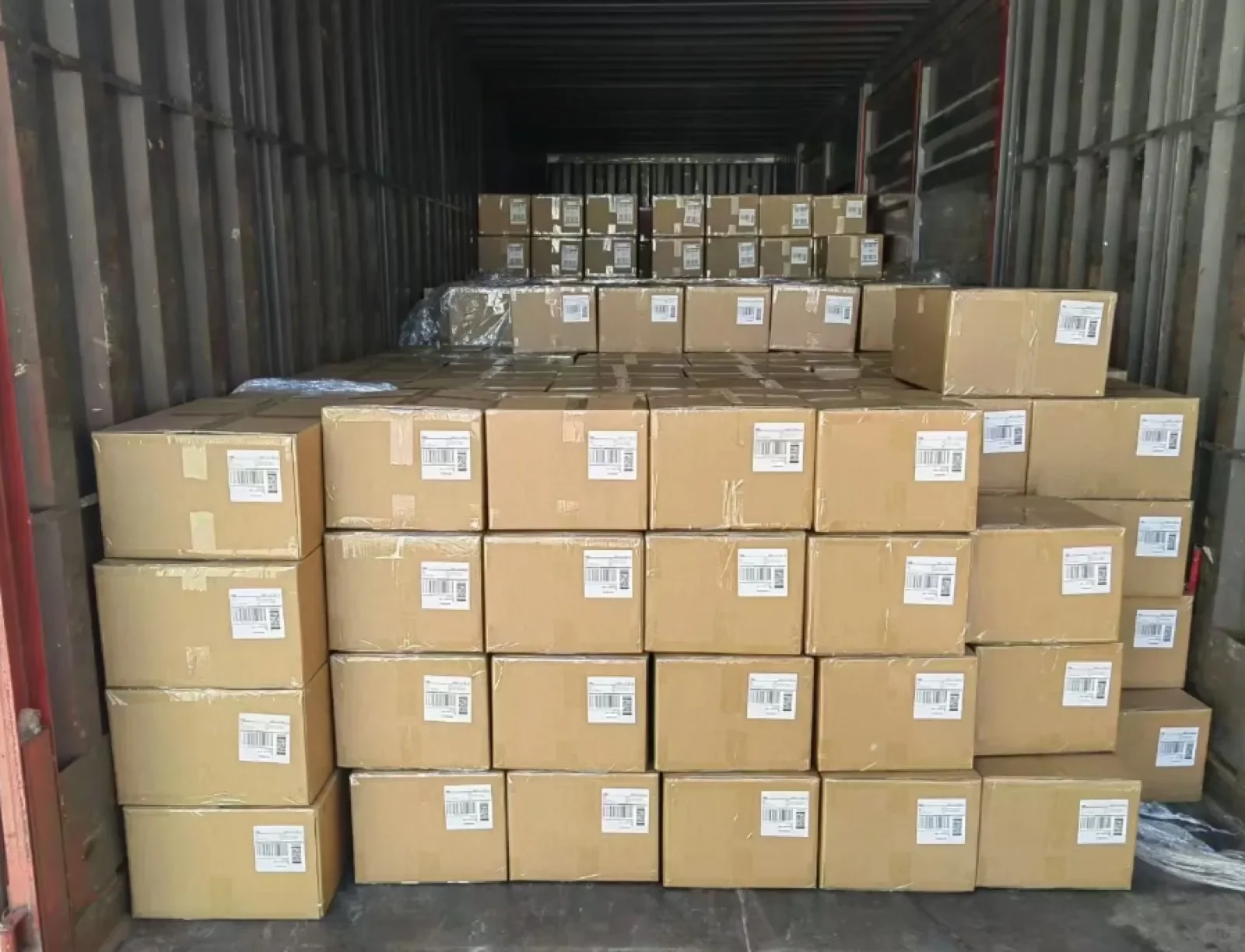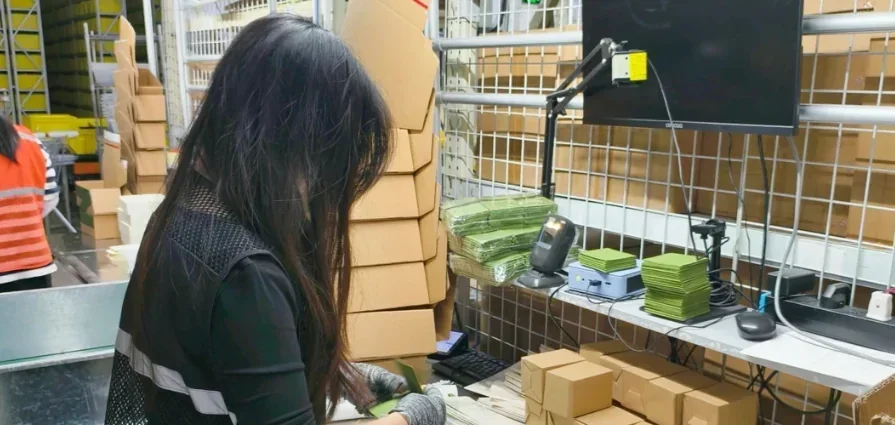
A readable label is only one part of product identification. Build a check that connects the physical item, its packaging, the scanned code and your approved SKU record. Discuss the checking method and coverage before preparation begins.
Make the SKU mapping unambiguous
Use one row per variant: supplier reference, your SKU, product identifier, distinguishing features, approved photograph and label-file version. Preserve codes as text. For a bundle, include component quantities and the identifier for the complete sellable set.
Agree three checks
- Physical identity: compare the product and accessories with the approved specification. Decide whether opening sealed packaging is permitted and how checked units will be repacked.
- Encoded value: scan the printed barcode and compare the result with the approved identifier. A photograph of the printed text is not a substitute for a scan result.
- Carton identity: reconcile the quantities and variants inside each carton with the packing record and current shipment box ID.
Agree whether checks cover a sample or every unit, the selection method, acceptance criteria and the record supplied. Sampling leaves unchecked units; it should not be described as a complete stock verification.
Control similar variants and revised files
- Separate visually similar colours, sizes and models during receiving and preparation.
- Use distinguishable product references and approved photos, not a label alone, to identify a variant.
- Record the active label version and withdraw superseded files from the work instructions.
- Approve a first prepared example for each affected variant before the agreed production run.
- Reconcile loose units and leftover labels before switching to the next SKU.
These are controls to request in your scope, not a guarantee that every check is included in a standard prep quote.
If a mismatch is found
Separate the affected stock and record the supplier, batch, SKU, quantity, scan result and condition evidence. Agree whether to expand the checks, relabel, repack or return goods to the supplier. Confirm authorization and additional charges before rework.
If goods have already left China, first identify the actual location and ask the carrier about available options. Do not assume an in-transit shipment can be intercepted. If destination handling is needed, confirm the receiving facility and the correction plan before changing delivery instructions.
Define a whole carton sold as one unit
If a whole carton is the product customers buy, define that carton as the proposed sellable unit in your brief. List its component quantities, approved identifier, label sample and packaging photos. Separately record the carton’s role in the transport and marketplace shipment plan.
A one-carton, one-unit shipment does not make product, receiving and carrier labels interchangeable. Approve their purposes and placement against the current instructions before packing. Do not infer that a particular barcode format is accepted just because it encodes the same number.
For WFS, also supply the identifier shown in the item setup and a photo of the existing barcode on the actual unit. Review whether any new label is needed for that SKU using current official instructions, rather than applying another sticker to every item by default.
Scope WFS preparation · Scope FBA preparation
Question sources: master carton sold as one unit, one item per shipping box and existing WFS barcode questions. These discussions do not resolve barcode eligibility or label placement requirements.
Keep a release record
The agreed record should connect carton numbers, SKU quantities, active label files, check coverage, exceptions, photo references and your release approval. See the shipment handoff guide for the wider dispatch record.
Scope label and product checks
Confirm barcode eligibility under the 2026 update
Amazon’s official announcement applies revised barcode eligibility to inventory shipped on or after March 31, 2026. Resellers without the Brand Representative role need Amazon barcode stickers even when a manufacturer barcode exists. Eligible brand owners with that role can use existing manufacturer barcodes; products without them still need Amazon barcode stickers. Confirm your account role and product eligibility before sending label files.
Give the prep team a seller-approved identifier for every variant, with the marketplace, approval date and label version. Avoid copying a barcode choice from an older shipment or another seller’s forum answer.
Amazon’s official barcode eligibility announcement. Reviewed October 6, 2026; use current Seller Central instructions for your SKU.
Verify the scope of a reported label correction
If wrong-variant orders appear after receiving, record the affected SKU, lot, destination and original evidence. Separate what a photo proves from what it does not show. A correction reported for one photographed unit does not establish that all affected stock was checked.
Ask for the quantity and locations covered, the actual correction completed and the remaining unresolved stock. Use current marketplace support instructions for inventory already received. Do not assign responsibility from a label’s appearance alone.
Public questions: Scope of a reported relabeling correction and Variant receiving differences followed by wrong-item orders. These individual reports inform record planning, not guaranteed remedies.
Review shipment changes and carton checks.
Keep corrected and unresolved batches distinguishable
When only part of affected inventory is available for correction, give the completed work a batch and quantity reference. Keep the remaining stock identified by its location and unresolved status. A correction completed at one facility does not establish that a later receipt or another held batch has been corrected.
Before adding later-arriving units to the release stock, reconcile their product identity, label version and actual checks against the approved correction instruction. Keep the original evidence, work completion and release approval connected without overwriting earlier findings.
Historical question: A correction plan covering only part of mixed inventory. Marketplace status and removal options must be checked for the actual shipment; the guide does not promise stock can be released from a platform hold.
Seller discussions behind this guide
These public WeAreSellers questions informed the planning topics. They describe individual seller experiences, not our customer projects or current marketplace rules. Some replies may require login. This guide is original editorial guidance; service scope is confirmed in your quote.
- Supplier barcode mismatch
- Germany multi-SKU relabeling and damaged packaging
- Wrong item inside correctly labeled packaging
- Factory applied the wrong product labels
Editorial review: 2026-10-05.