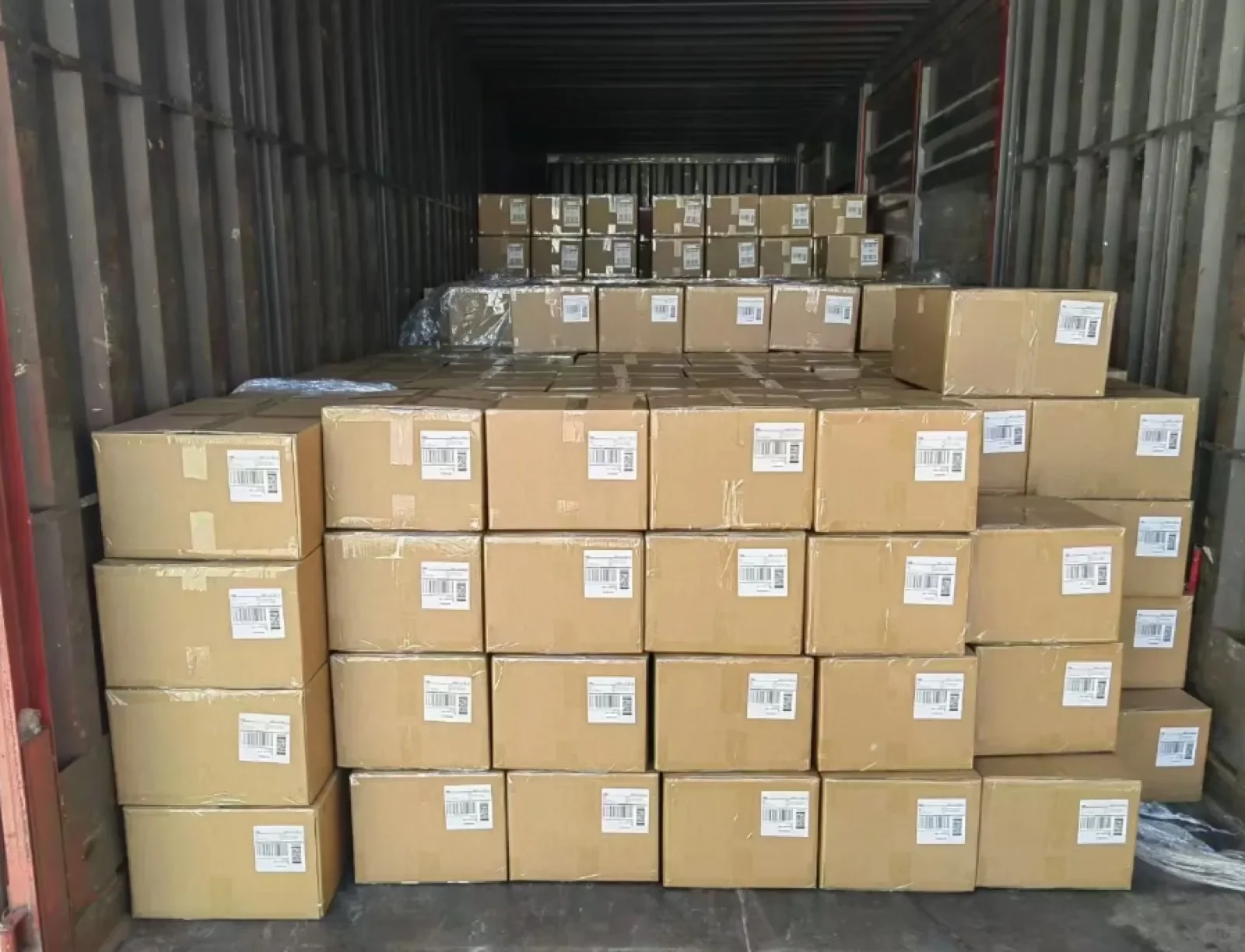
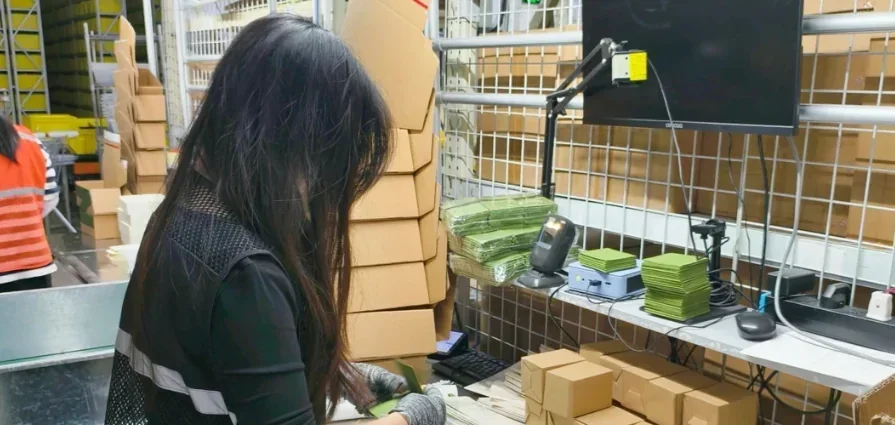
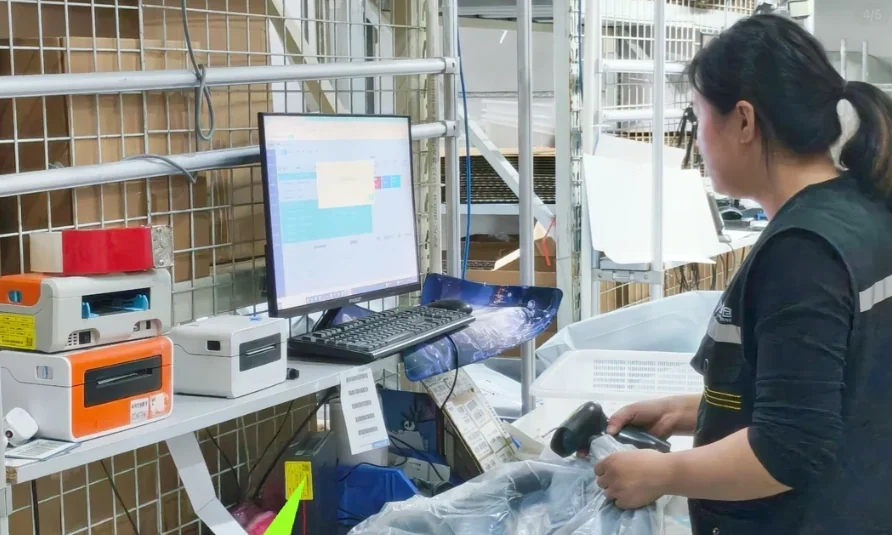
China-side prep gives you a place to check and organize supplier inventory before export. Decide where each inspection, assembly and labeling step will happen, then compare the complete route with a destination prep center using the same SKU and carton assumptions.
Choose where the work happens
| Decision | Prep in China | Destination prep center |
|---|---|---|
| Supplier discrepancies | Check variants, quantities and agreed quality points before international dispatch; resolve affected stock with the supplier. | Agree how defects found after arrival are reported, returned or reworked. |
| Labels and bundles | Use the current seller-provided files and an approved assembly example before export. | Useful when the receiving plan or final assembly is intentionally completed after arrival. |
| Stock held outside FBA | Confirm China storage and the lead time for each replenishment batch. | Confirm the receiving facility, local storage and onward replenishment fees. |
| Route costs | Compare receiving, QC, assembly, packaging, storage, international freight and destination handoff. | Add destination receiving, prep, storage, rework and onward delivery where applicable. |
Define the sellable unit before a bundle is built
List the component SKUs, variant, quantity per set, finished-set identifier and packaging version. For a two-pack, distinguish component units from completed sets in both the quote and stock record. Confirm which identifier applies to the finished sellable unit using your current seller-account instructions.
Approve a packing example that shows component placement, inserts, protective materials and label positions. Separate assembly labor from bags, cartons, labels and replacement materials when comparing quotes.
Keep inspection and preparation separate
A receiving count does not establish product quality. Define sample size, defects to check, any functional tests, acceptance criteria and evidence requirements. Identify who approves rework, replacement or release. A warehouse check is not a substitute for product testing or certification.
Release against the latest carton record
- Match each SKU and variant to the approved product-label file.
- Record completed sets and actual units per carton.
- Confirm carton IDs, destination and the latest shipment-plan version.
- Measure packed cartons in cm and kg after assembly or repacking.
- Review discrepancies and obtain the agreed release approval before collection.
When a shipment plan changes, review the affected labels and carton contents before release. Keep carrier handoff separate from marketplace receiving and inventory availability.
Build a comparable quote
Request the fee unit and billing event for receiving, inspection, label application, set assembly, materials, storage and dispatch. Ask about minimum charges, extra handling, rework approval, currency and quote validity. Share the same finished-unit specification with each provider; a price per item and a price per two-pack describe different work.
Explore China FBA prep · Use the carton handoff checklist · Review quote items
Community questions behind this guide
The discussions below helped identify questions sellers ask. They are anecdotal sources, not evidence of our service performance, prices, delivery times or marketplace requirements. Reviewed 2026-10-05.
- r/AmazonFBA: Logistics Help – Packaging, Inspection, Shipping from China to eventually FBA
- r/AmazonFBA: Using a third-party FBA prep center or 3PL warehouse to bundle a 2-pack
- r/FulfillmentByAmazon: Constantly maxing out FBA limits – need a good US 3PL for overflow stock
Compare who controls the revision
For stock still in China, agree who can inspect the units, correct carton allocations and approve revised measurements before export. For stock already abroad, add the actual receiving facility, movement restrictions, local rework and onward dispatch to the comparison.
Supplier labeling can be part of either route. Define the files supplied, product checks, handoff records and correction responsibilities rather than treating supplier prep as a substitute for verification. A public supplier-labeling question illustrates these concerns; it does not establish the reliability of any supplier.