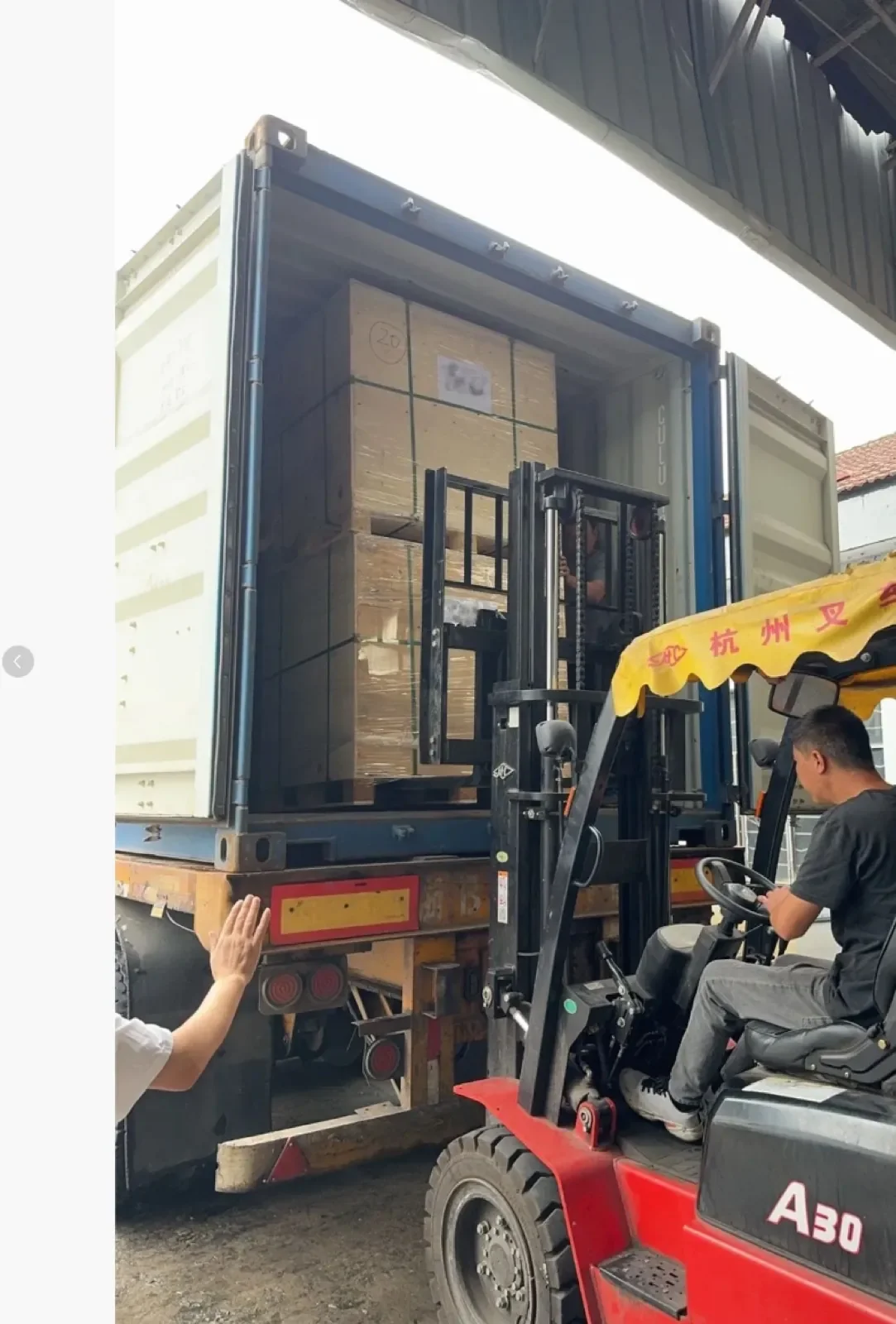
Agree the physical return route before giving customers an address. Returns receiving, condition reporting, customer refunds and the next inventory decision are separate responsibilities. A local receiving arrangement can be scoped even when original customer orders ship from China.
Confirm the destination and accepted goods
For each US, UK or European receiving country, confirm the facility, accepted product categories, parcel identification method and expected volume. Ask whether the quoted service is returns-only receiving or includes storage and onward fulfillment. Do not assume one address covers every European country.
The approved customer-facing return policy and any required consumer-rights review remain separate from the warehouse handling brief. This guide scopes the movement and assessment of goods; it does not set refund eligibility or legal deadlines.
Confirm transport acceptance for the returned condition
The original outbound service does not establish acceptance of a used, damaged or faulty return. For battery-powered products, identify the exact model, battery configuration and reported condition before issuing transport instructions. Ask the actual carrier and receiving operator to confirm acceptance for the proposed origin, destination and service.
DHL Express UK lists damaged or defective batteries as prohibited. Separately, DHL eCommerce’s US battery policy excludes damaged, defective or recalled lithium batteries and prohibits pre-owned, damaged or defective lithium-battery-powered devices in its network. These are network-specific restrictions; they do not establish the rules for every DHL service or a return-to-China route.
If acceptance is unresolved, record the pending decision and request a suitable route review. Do not describe a routine return label or ordinary repacking as confirmation that a restricted item can travel. Transport acceptance, facility receiving acceptance and the later inventory decision are separate approvals.
Use a route record with the return reference, product model, battery information, reported condition, selected service, carrier response, receiving confirmation and next action. Record unknown facts as unknown and retain the approval reference. No customer personal details are needed in the initial planning sheet.
Download the blank return route acceptance record (CSV).
Sources checked October 6, 2026: DHL Express UK prohibited items; DHL eCommerce US battery policy (document revision April 30, 2026). Confirm the current terms for your actual route; our handling scope is agreed separately.
Record a return without losing its order reference
- Allocate a return reference linked to the original order and SKU.
- Confirm the expected units, variant and any accessories.
- Agree how unidentified parcels and quantity differences will be recorded.
- Specify inspection depth, evidence and the person who reviews the findings.
- Keep the stock on hold until the agreed disposition is approved.
Use references in the initial quote brief. Share customer details only through the agreed secure workflow when operationally necessary.
Define condition checks before choosing the next action
Choose checks suitable for the item: packaging state, apparent use, missing parts, cosmetic damage and any agreed functional assessment. Define what can be reported from those checks and what requires additional testing. Receiving an item does not by itself establish that it is fit for resale.
| Option | Confirm before approval |
|---|---|
| Restock locally | Condition acceptance, stock location, local fulfillment access and the updated available quantity. |
| Repack or rework | Required labor and materials, new packing specification, checks and extra charge approval. |
| Consolidate for onward shipment | Storage duration, packed dimensions, receiving destination, transport scope and required documents. |
| Dispose | Written approval, accepted disposal method, fees and agreed evidence. |
Compare recovery cost before shipping back to China
Use actual condition findings and expected recoverable stock value. Compare local receiving, inspection, storage, repacking and onward delivery with the quoted return-to-China route. Include shipment preparation and destination charges where applicable; ask the route provider to confirm product acceptance and documents.
Set a review period for held stock and an escalation contact for undecided items. Any customer refund or replacement decision follows the seller’s approved policy and applicable requirements, independently of whether a physical return is received.
Name the label provider and every return cost
For each agreed return route, name the receiving address, party issuing the label and party paying return freight. Record whether the quote also includes receiving, inspection, holding storage, repacking and the approved next movement. A supplier’s willingness to receive a return does not establish a customer-facing return route or a total recovery cost.
For exchanges, confirm where replacement stock is held and what approval starts the replacement order. Do not assume that the original return label works for every SKU or destination.
When a bundle may be incomplete, record the components actually received and keep uncertain stock held until the review is complete. Use the missing-component inspection example.
Question sources: China-origin shoe returns (historical discussion) and different return-label options across SKUs. These accounts inform workflow questions and do not establish current refund or marketplace policy.
Reconcile a removal shipment in separate receipt batches
For inventory moving from a marketplace to a receiving facility, connect the removal reference, expected SKU quantities and available carrier references to each actual receipt. Requested, reported dispatched, carrier-delivered, counted and assessed quantities are different events.
Keep unresolved units visible rather than treating the first delivery as completion of the entire removal. Record the receiving date, cartons or parcels counted, product quantities, condition observations and missing evidence for each batch. If expected product identities are unclear, keep the count provisional until the approved mapping is supplied.
For damaged or short receipts, retain the original receiving observations and packaging evidence. Agree who requests dispatch details, carrier clarification and any marketplace review. A tracking event without a unit count does not establish how many products were delivered or which party caused a difference.
Public seller question: Different removal batches with damage, shortages and pending units. The account informs record planning; no responsibility finding or reimbursement outcome is adopted.
Request a scoped returns quote
Provide the country, product scope, expected parcels and units, inspection criteria, evidence requirements, likely disposition and approval contact. Ask for each billing unit, minimum charge, storage start, extra-work approval and record-delivery method.
Scope a destination return route · Explore returns handling · Prepare your return brief
Questions raised by sellers
These community discussions informed the planning questions. They do not establish our capabilities, prices, timing or customer return policy. Reviewed 2026-10-06.
Review an undeliverable parcel before resending
A failed delivery or return-to-sender event is a tracking status to investigate. It does not establish that the parcel has been received by your supplier, Guangzhou warehouse or destination returns facility. Confirm the actual route and receiving point with the responsible operator.
Link the original order to the return movement
Record the order and parcel references, original and destination tracking, last event, source and timestamp. Ask for the carrier’s recorded reason rather than inferring an incorrect address, refusal or customs issue. Keep any new return tracking reference linked to the original parcel.
Confirm whether the parcel is awaiting collection, returning through the carrier network or physically received. Identify who can request clarification and the next review time. A return address printed on a label does not establish that the proposed facility accepts or has received the goods.
Record receipt and condition separately
Once receipt is confirmed, match the parcel to the original SKU and quantities. Record package condition, components and the agreed inspection findings. Keep unassessed or incomplete goods separate from approved sellable inventory. Follow product-specific transport acceptance requirements if a further movement is proposed.
Approve a new dispatch as its own action
Before resending, confirm the current recipient instruction through the agreed secure channel, available stock, packing scope and route acceptance. Record the additional quote, approval owner and any customer-support decision separately. If the original parcel remains unresolved, identify whether a proposed replacement uses different stock and who reviews a later return or delivery.
Create a separate parcel reference and tracking record for the approved resend. Link it to the original order and exception so both movements remain traceable. Confirm any label changes and avoid releasing a duplicate order inadvertently.
Download the blank undeliverable parcel review (CSV). Use references rather than recipient personal information in the planning record.
Community questions and limits
Reviewed 2026-10-06. Older public discussions about returned status without supplier receipt and a China-to-US undeliverable order question prompted this editorial checklist. They do not establish current carrier conditions, causes, refund eligibility or our service results. The pandemic-era discussion is used only for the distinction between tracking status and physical receipt.