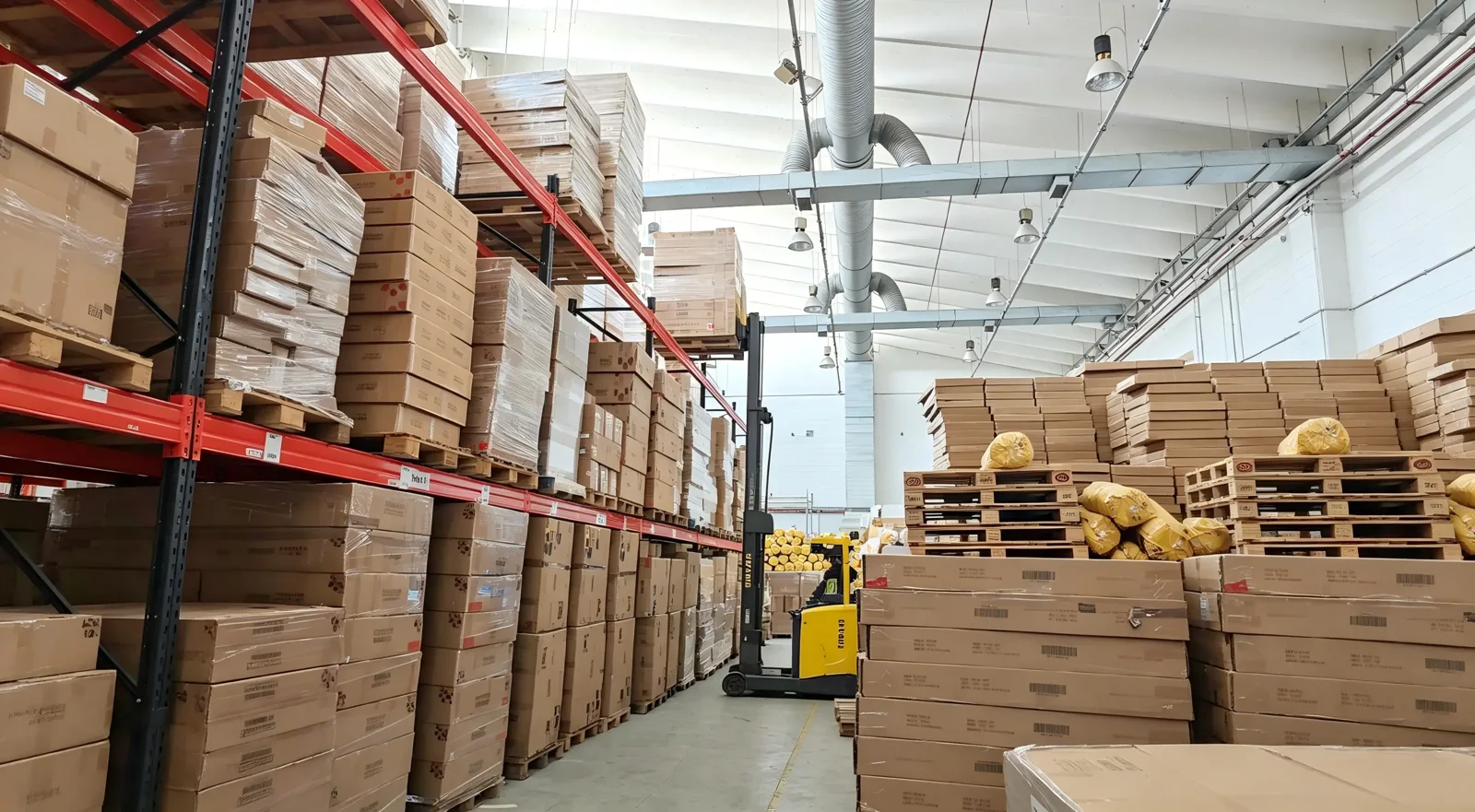
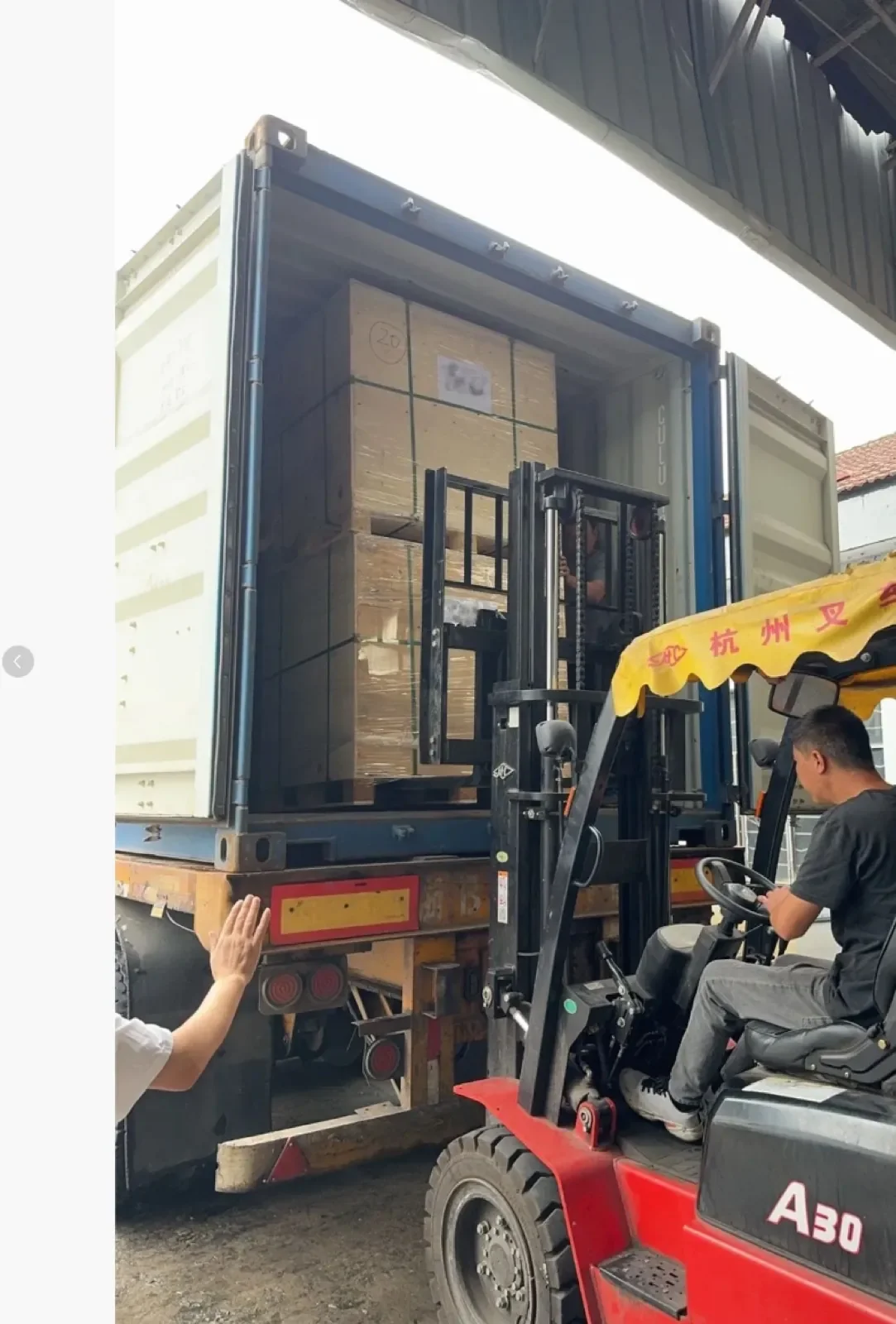
A returned set can look complete from the outside while an accessory or component is missing. Before treating it as available stock, compare what arrived with the approved set specification and record the inspection limits. Receiving, customer refunds and the warehouse’s next inventory action are separate decisions.
This guide uses a hypothetical component check. It does not determine who caused a shortage, whether a buyer acted improperly or which refund a marketplace permits.
Define the expected return
Link the return reference to the original order, product SKU and expected quantity. For a set, retain the specification version listing every component and its quantity per finished unit. Confirm how the warehouse identifies an unknown parcel and which contact supplies missing information.
Agree whether sealed packaging may be opened, which visible condition checks are required and whether any functional assessment is included. A count can establish that an accessory is present; it cannot establish that the accessory works without an agreed additional check.
Compare one received set with its component list
The following example is invented for planning and contains no real customer return.
Scroll horizontally to view all columns.
| Component | Expected | Received | Observation |
|---|---|---|---|
| Main item, DEMO-MAIN | 1 | 1 | Visible surface check recorded; functionality not tested. |
| Accessory, DEMO-ACC | 1 | 0 | No accessory found within the agreed opening and count scope. |
| Storage pouch, DEMO-POUCH | 1 | 1 | Present; visible packaging condition recorded. |
The record supports “the accessory was not found during this check.” It does not establish why it is missing. Link the observation to the inspection date, check scope and photo references. If parts could be concealed in unopened packaging, describe that limitation before calling the count complete.
Keep the returned product SKU separate from the component SKUs. One incomplete returned set is still one returned product unit; counting two present components does not make two complete products available for sale.
Keep uncertain stock held for review
Record the returned quantity at the receiving location and the quantity held pending a decision. Do not add the incomplete unit to stock approved for resale merely because it arrived at the facility. Connect the hold to the return reference so it can be reconciled when a decision is made.
If several returned sets are inspected, use a record that identifies which components belong to which unit. Use one row per component in an actual checked set, with the same return reference and returned-unit reference on that set’s component rows. Record its held product quantity once, rather than once per component. If the components cannot be associated with a particular set, keep that uncertainty explicit instead of assigning a unit reference that implies a confirmed match.
Record any agreed sampling coverage. Findings from one opened set should not silently become a full count for every set in the batch. Unchecked component quantities remain unknown; a confirmed absent component is 0. The component record supplements the original receipt and approved stock action, and does not create another return receipt. Read the component-record filling instructions (TXT).
The business should agree who reviews findings and when undecided stock is reviewed again. Holding storage, further inspection and extra handling need a confirmed cost scope.
Approve a disposition from the actual findings
Possible proposals include supplying an approved replacement component, repacking, keeping the unit on hold, consolidating it for another location or disposing of it. Availability, feasibility and charges depend on the product and route. An inspection report identifies findings; it does not authorize these actions.
For an approved rework, name the component source, required quantity, packaging version and acceptance check. Record the customer’s approval and the units actually processed. If the action restores one complete set, record that result against the returned product SKU and the corresponding component consumption.
Keep the refund decision and any carrier or marketplace case as separate references. The warehouse record does not decide refund eligibility or establish reimbursement rights.
Keep Shopify return approval separate from stock release
Shopify describes receiving and inspecting returned items before refunding and restocking applicable items. Approving a return request does not demonstrate that the returned set is complete or ready to sell.
For a returned bundle, keep the inspected component count, approved disposition and actual inventory update linked. If an accessory is missing, record the held set and any approved repair first. Check the resulting complete-set quantity at the correct facility before it becomes available for another order. This component workflow is a planning control, not a Shopify instruction that every return can be repaired.
Shopify also limits its documented create-return-label option to a US primary location and US customer address. For other country combinations, confirm the actual label arrangement before giving customer instructions.
Shopify self-serve return management, checked October 6, 2026. This source explains store workflow, not refund eligibility or our destination facility coverage.
Map returned component lines to the physical set
Shopify explains that bundle components display as individual line items in returns and split-fulfillment workflows. Match the requested component lines and quantities to what actually arrived. A returned component line does not establish receipt of a complete physical set.
Before an approved stock update, specify whether the inventory record will gain reusable components or a complete assembled unit. Retain the original bundle reference and inspection result, and reconcile any parts consumed by reassembly. Avoid counting the same recovered parts as both available components and an independently available finished set.
Shopify bundle line-item behavior, checked October 6, 2026. The component reconciliation above is a planning control; refund decisions and product resale suitability require their own review.
Close the component and inventory records together
- Retain the received quantity and original condition findings.
- Record the approved action and its authorization reference.
- Record actual work, materials and any remaining held units.
- Link the resulting inventory movement to the returned product and receiving location.
- Keep the completion date and agreed evidence with the same return reference.
For the demonstration set, a proposal to replace the missing accessory leaves one product unit held until approval and completion. After the approved work and checks, the record may show one complete set ready for the next agreed action. This example does not imply that a replacement component is always available or that every returned product may be resold.
Set the return route before customers ship
Confirm the country-specific receiving address, accepted product, label provider and return-freight payer. Separate receiving, inspection, storage, materials and onward movement in the quote. A supplier accepting returns in China does not establish a local return address for the buyer.
Download the blank component check record (CSV) · Plan the destination return route · Discuss receiving and disposition scope
Seller question behind this guide
An Amazon seller described concern that a returned collectible bundle might have missing components. The seller had not yet received the return, so its final condition was unresolved. Read the archived seller question. It informs the need for a component record; accusations and suggested refund percentages are not used here. This original planning guide was reviewed October 6, 2026.