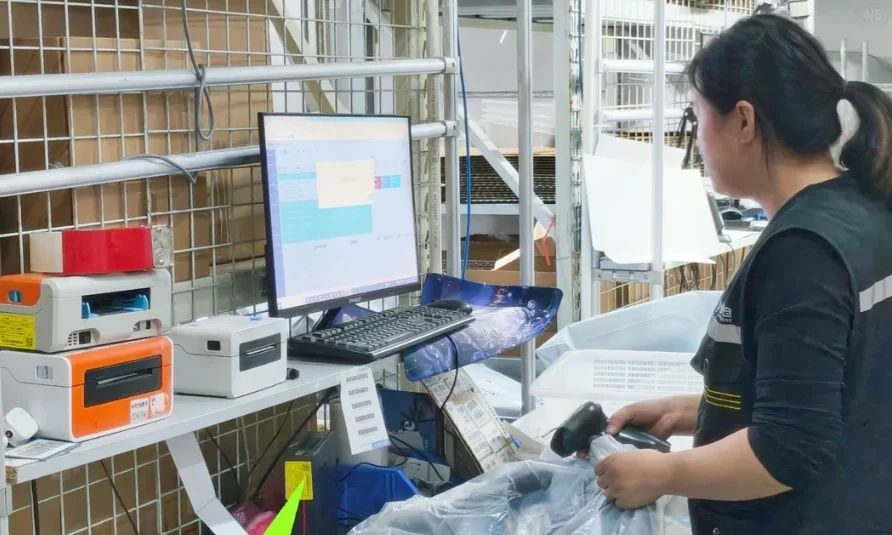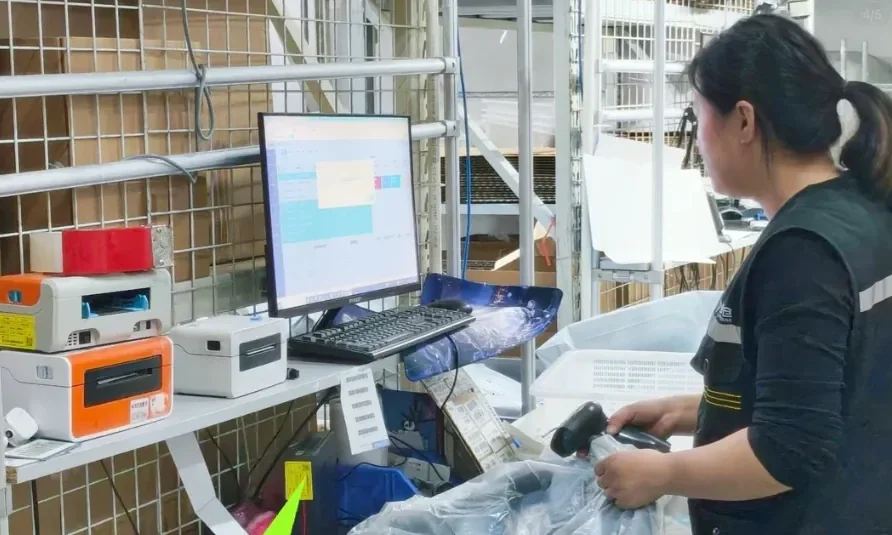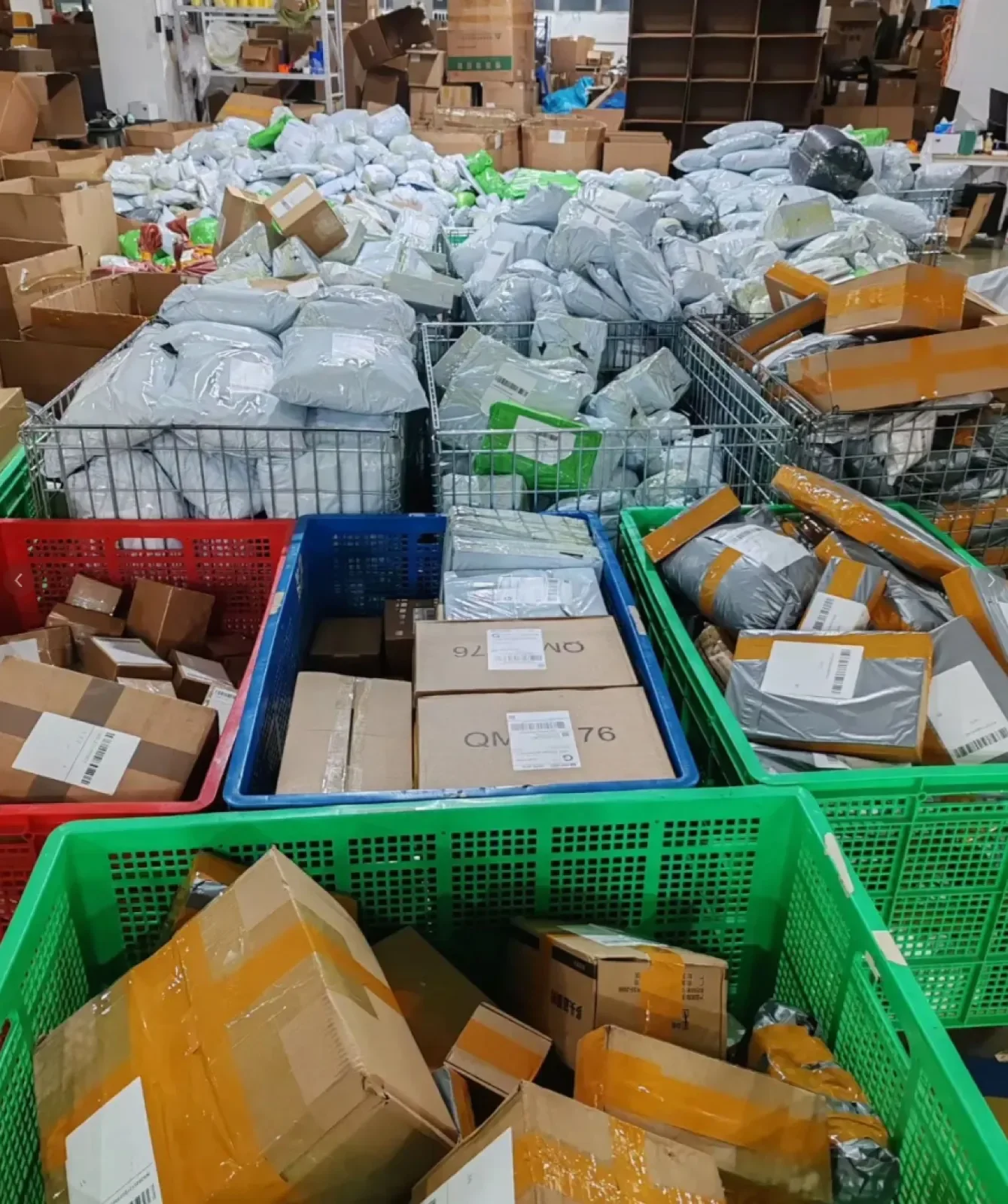
Start with the product, destination country and packing method. Test receiving, inventory release, order handling and delivery as one workflow before committing more inventory. A shipping estimate alone does not show whether orders can be fulfilled consistently.
Compare China stock with destination stock
Direct fulfillment uses inventory held in China to dispatch individual customer orders. Destination fulfillment moves a bulk shipment to a confirmed local facility before orders are picked and shipped. The second arrangement needs its own receiving, import, storage, order fulfillment and returns scope.
Compare representative SKUs using purchase cost, inbound supplier transport, prep, materials, storage, order handling, freight, agreed destination charges and exception costs. Include the cash tied up in stock and replenishment lead time. Decide from the actual country mix and order forecast rather than a universal daily-order threshold.
Turn a delivery deadline into a testable brief
If you need an order completed within a specific number of days, state whether the deadline means warehouse dispatch or customer delivery. Record the destination country, postcode coverage, stock readiness, order cutoff, working calendar and time zone. Define whether the clock begins at checkout, payment approval, warehouse acceptance or supplier purchase.
Compare the deadline with each stage: sourcing or production, supplier delivery, inspection and preparation, order processing, carrier collection and destination delivery. Purchasing after each sale adds steps that prepared warehouse stock may avoid. Ask the operator to review feasibility for the actual route, then assess pilot results against the agreed milestones.
A public Facebook buyer request, reviewed 2026-10-06, asks for fulfillment and a five-day deadline without naming a destination or defining that deadline. This is a buyer requirement, not a verified transit time. Visible supplier replies do not establish route performance.
Include your deadline definition in the fulfillment trial brief, with the countries and stock model you plan to test.
Separate processing time from delivery time
- Stock ready: received quantity and agreed inspection/prep are approved.
- Order accepted: SKU, address, payment/release status and packing instructions are complete.
- Warehouse processing: picking and packing follow the agreed cutoff, working calendar and capacity.
- Carrier handoff: record collection separately from label creation and the first physical carrier scan.
- Delivery: review the route estimate and actual outcome for each destination.
Ask whether an estimate uses calendar or working days, where its clock starts, and which stages it includes. Test a parcel to the US and separate parcels to the European countries you plan to serve. A result for one country does not establish timing for another.
Agree inventory and order data
Keep supplier SKU, warehouse SKU and store variant aligned. Separate stock available for sale from stock awaiting inspection, stock allocated to orders and damaged or held inventory. Agree the reporting frequency and owner of stock corrections.
Confirm the actual store connection or file-based order method during onboarding. Test an order update, cancellation, unavailable SKU and duplicate order reference before relying on automation. Do not substitute a variant without the agreed approval.
Approve packaging before the pilot
Provide a sample packing specification with insert quantity, bundle components, barcode placement and the smallest suitable protective package. Ask whether removing supplier promotional inserts or changing retail packaging is included. Preserve required product, safety, origin and customs information; branded presentation does not change the shipment’s origin.
Set the exception and returns plan
Agree who monitors missing scans, delayed tracking, failed delivery, loss and damage; what evidence is collected; and when an investigation starts. Define who authorizes reshipment or refund, any claim process and who bears the agreed costs. A tracking number alone is not proof of carrier collection.
Confirm a return address and accepted product scope for each destination before publishing customer instructions. Price return receiving, inspection, storage and approved restock, disposal or onward shipping separately. Destination returns and a move back to China are different workflows.
Confirm destination charges in writing
Ask which import and delivery charges are included, who arranges destination clearance, who pays excluded charges and what happens if a customer is asked to pay on arrival. Have the carrier or qualified adviser verify the arrangement for the actual product, declared value and destination before launch. Do not treat a community reply as a tax rule or a blanket tax-free promise.
Run a pilot you can review
Select representative SKUs, packing styles and destination countries. Set the pilot budget, review date and acceptance criteria with the provider. Record order acceptance, carrier handoff, first scan, delivery, quoted versus billed amounts and unresolved exceptions. Review results before scaling stock or order volume.
Download the blank fulfillment pilot checklist (CSV)
Use one row per order line within a parcel, with the pilot, order, parcel and order-line references retained together. A split order needs separate parcel references, and its line quantities must reconcile across those parcels. Enter finished parcel dimensions, gross weight and whole-parcel quoted or billed amounts on one row only; leave them blank on its other SKU rows. Count parcels by their unique reference within the pilot and order, rather than by spreadsheet rows.
Keep parcel-level dispatch, carrier handoff, first scan and delivery events aligned on that parcel’s rows, while stock and order approval records retain their actual scope. Include a time zone and keep unconfirmed events unknown. Read the pilot-record filling instructions (TXT). The checklist is a planning template; it contains no actual customer data or service guarantees.
Plan fulfillment from Guangzhou · Scope destination returns · Discuss a pilot
Community questions behind this guide
The discussions below helped identify questions sellers ask. They are anecdotal sources, not evidence of our service performance, prices, delivery times or marketplace requirements. Reviewed 2026-10-05.
- r/dropshipping: Looking for a China-based fulfillment & rebranding partner (Europe/Fashion)
- r/dropshipping: Looking for a Private Sourcing & Fulfillment Agent in China
- r/dropshipping: Best way to ship from China to Europe as a small business?
- r/dropshipping: Looking for a reliable private sourcing and fulfillment agent in China
Confirm what available stock means
A supplier’s stock statement does not show inventory physically received, checked and available for your orders. Agree which records identify supplier stock, warehouse receipts, inspection holds, order allocations and the remaining available balance. Define when updates are shared and who resolves differences before orders are released.
Include packaging components in the same readiness check. A stocked product may still need an unavailable branded box or insert. Agree the hold or approved alternative before that happens.
Stock-visibility question reviewed 2026-10-06: Reddit discussion of supplier stock visibility. The promotional post does not establish integration capabilities or service performance.
Agree the operator before sending stock
Confirm the receiving location and entity, who performs the work directly, any partner handoffs, and the contact responsible for exceptions. If transferring existing inventory, reconcile outgoing and received stock and assign each open order to one operator at an agreed cutoff.
Test the inventory record through a stock cycle
Review how receipt, holds, allocations, cancellation, dispatch and returned units affect each SKU balance. Confirm report timestamps and what happens when an update is late or a count is disputed.