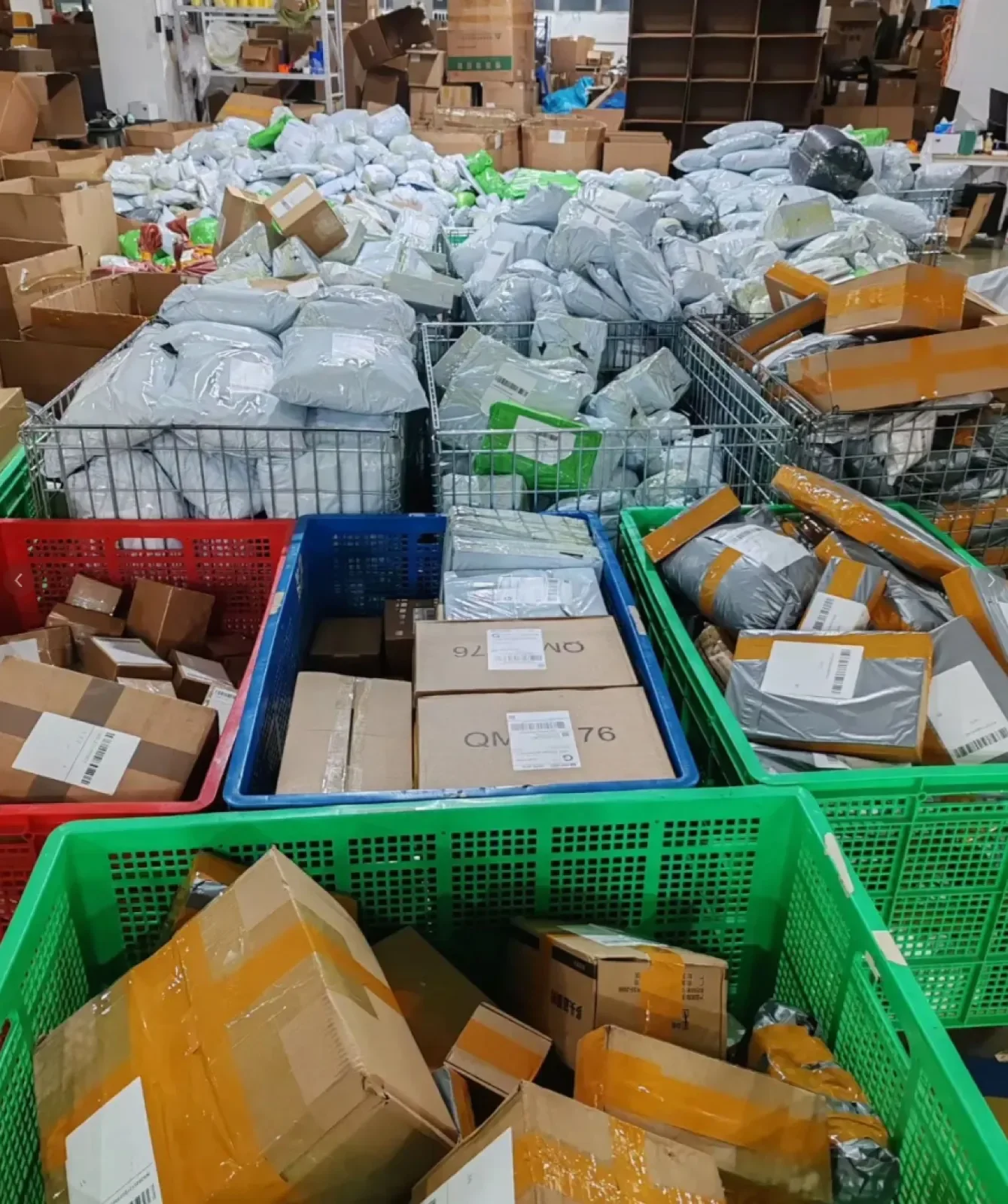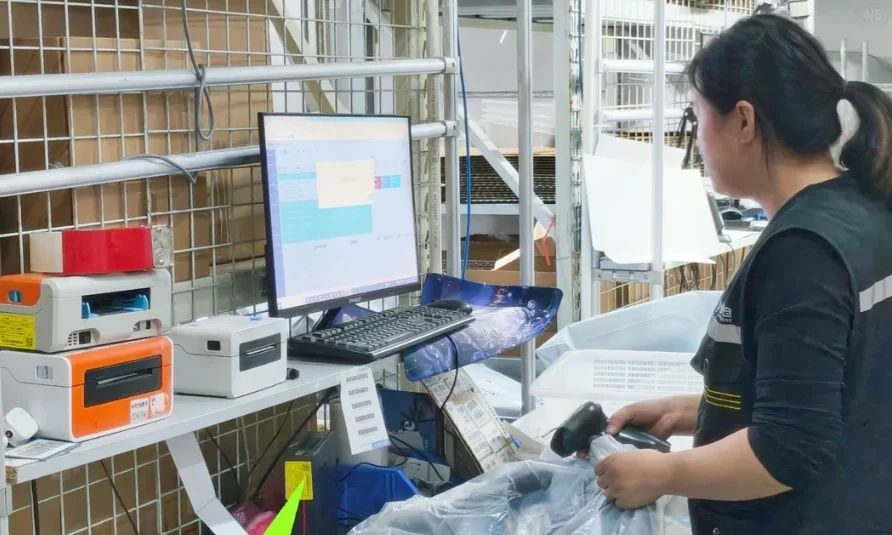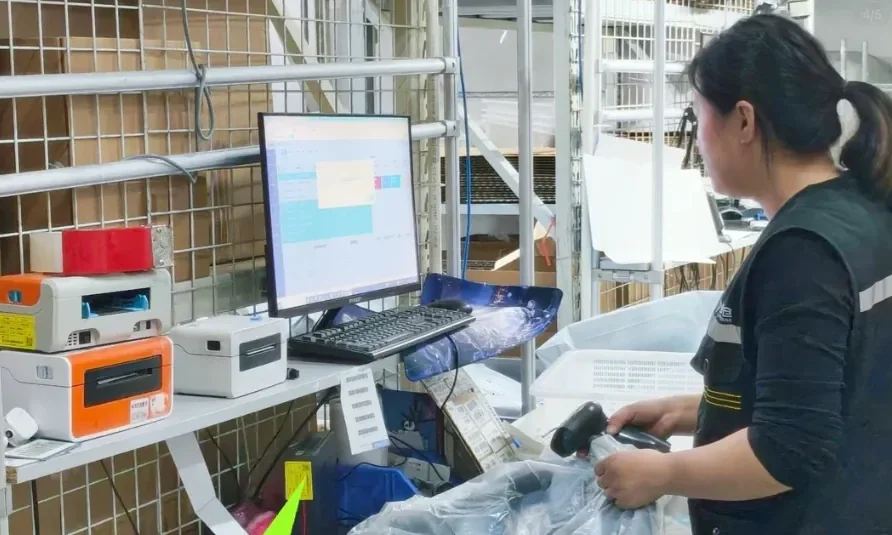
For China-to-US, UK and European customer orders, agree how a parcel will be tracked across the warehouse, international route and destination carrier. Record what is confirmed, what is still unknown and who will investigate the next handoff. A customer-facing status alone may not explain where the parcel is.
Separate tracking creation from physical handoff
Keep the order acceptance, packing completion, tracking-number creation, carrier collection and first physical scan as separate milestones. If tracking shows only electronic shipment information, ask for the collection record and the carrier’s current response before describing the parcel as physically collected.
A missing scan alone does not establish either loss or non-dispatch. Record which evidence is available and request the missing handoff confirmation. Use the actual carrier’s explanation of its status wording; a general tracking aggregator may present it differently.
Link international and destination references
For each parcel, retain the customer order reference, parcel reference, selected route, original tracking number and destination carrier reference when supplied. Record the latest event text, timestamp, time zone and the source checked.
If the destination reference is not yet available, mark it as pending and assign a follow-up owner. Confirm who can obtain it and where updates will be shared. Do not guess the local delivery company from the customer’s postcode or a previous shipment.
Agree when and how an exception is reviewed
At onboarding, define route-specific review triggers for no initial movement, a long event gap, failed delivery or a non-receipt report. Agree the working calendar, time zone, contact, escalation route and next review time. These are project arrangements, not a universal number of days after which every parcel is lost.
Record any carrier case number and its response separately from your customer’s report. If the carrier requires additional information, identify what is needed and who can provide it through the agreed channel. Avoid attributing a delay to customs, congestion or a public holiday without shipment-specific confirmation.
Review a delivered-but-not-received report
Keep both the recorded delivery event and the customer’s account. Review the parcel-to-order match, submitted destination and any carrier-provided delivery evidence. Check for partial orders: one delivered parcel does not establish receipt of every item in a split shipment.
Assign someone to request clarification from the carrier and record the result. A photo, signature or delivered status is evidence to review; it does not justify accusing a customer or automatically closing the case. Any refund, replacement or claim decision follows the applicable requirements and agreed process rather than a Reddit comment.
Keep investigation and replacement records connected
If a replacement is approved, link it to the original order and parcel, record the decision owner and create its own dispatch and tracking record. Keep the original investigation visible so later delivery or a carrier response can be reconciled. Agree who reviews that outcome.
Confirm the claim submission party, required evidence and the relevant carrier’s current filing deadlines for the selected service. A customer-support decision and a carrier claim are separate records; do not describe reimbursement as guaranteed.
Give a useful customer update
Share the last verified event, the action requested, the person coordinating it and the next update time you can meet. If a delivery estimate is being reviewed, say so rather than repeating it as a confirmed arrival date. Keep recipient details and delivery images in the agreed secure order system; use references in shared planning sheets.
Use a parcel exception record
Download the blank tracking exception record (CSV). Use one row per parcel case, with no recipient personal data. Link it to your parcel quote scope and order exception process.
Discuss tracking handoffs for your route
Match Shopify tracking to the actual parcel
When adding tracking in Shopify, verify the carrier selected automatically. For an unsupported carrier, its help center describes entering a complete tracking URL manually. Open the customer-facing link during your pilot and confirm it shows the intended parcel.
Shopify permits separate tracking and notifications for separate fulfillments. In its documented desktop workflow for adding multiple numbers to one fulfillment, those numbers must use the same carrier. Keep the international and destination references in your operational record, and confirm how the selected app represents carrier handoffs instead of placing unrelated parcel references together.
Shopify official tracking and partial-fulfillment guidance, checked 2026-10-06. Confirm the available controls in your actual store and connection.
Community questions and editorial scope
Reviewed 2026-10-06. These public discussions prompted the questions about shipment status, destination tracking and non-receipt. The workflow above is our planning synthesis, not a report of our customer results. Only publicly visible content was reviewed; no complete comment-tree collection is claimed. Carrier performance, delay causes, legal liability and refund or chargeback outcomes are not established by these threads.
Confirm where a returned parcel actually is
Link any return movement to the original tracking and order. Confirm the carrier-recorded reason, physical receiving location and receipt evidence before treating the goods as available stock or approving another dispatch.