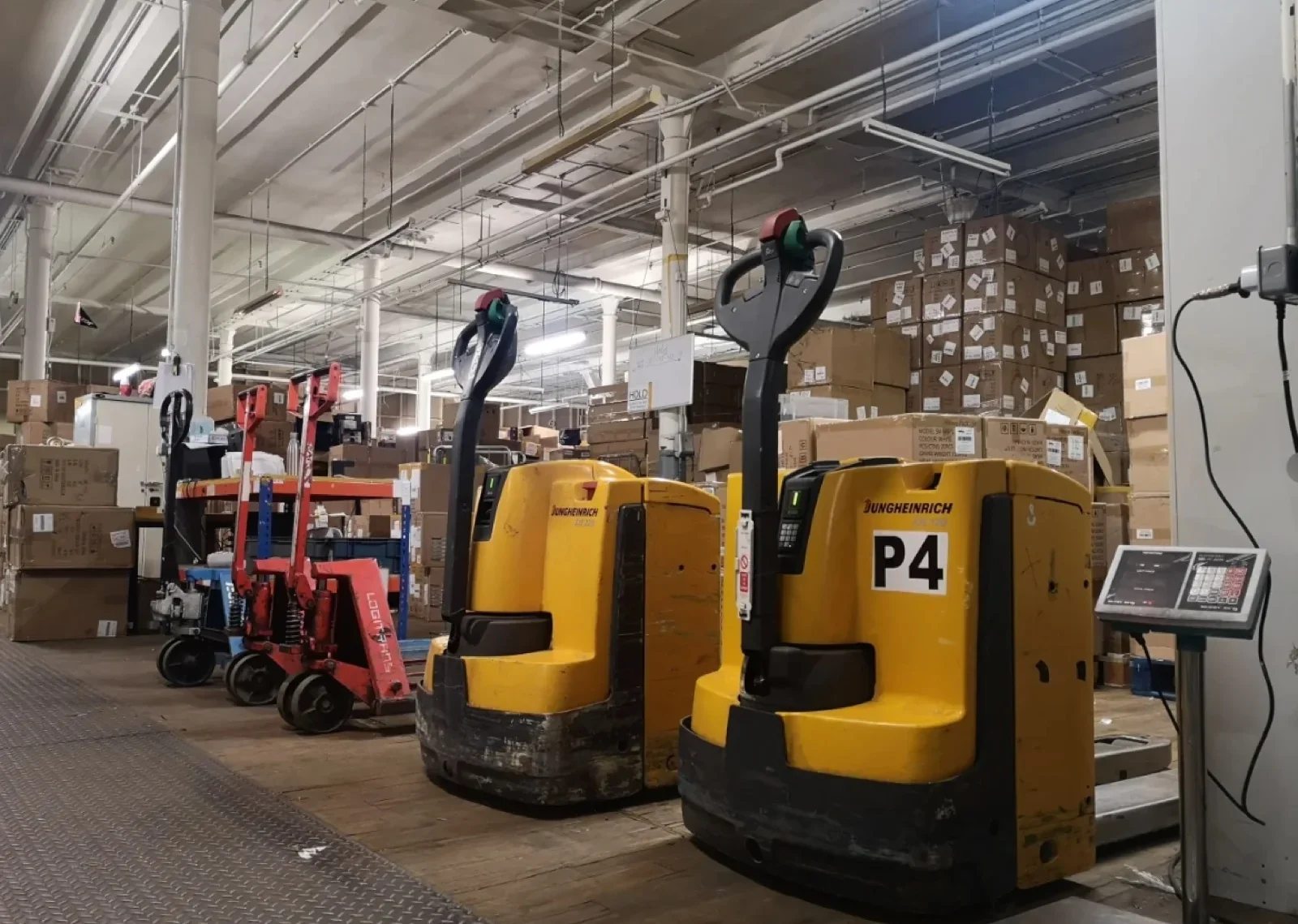
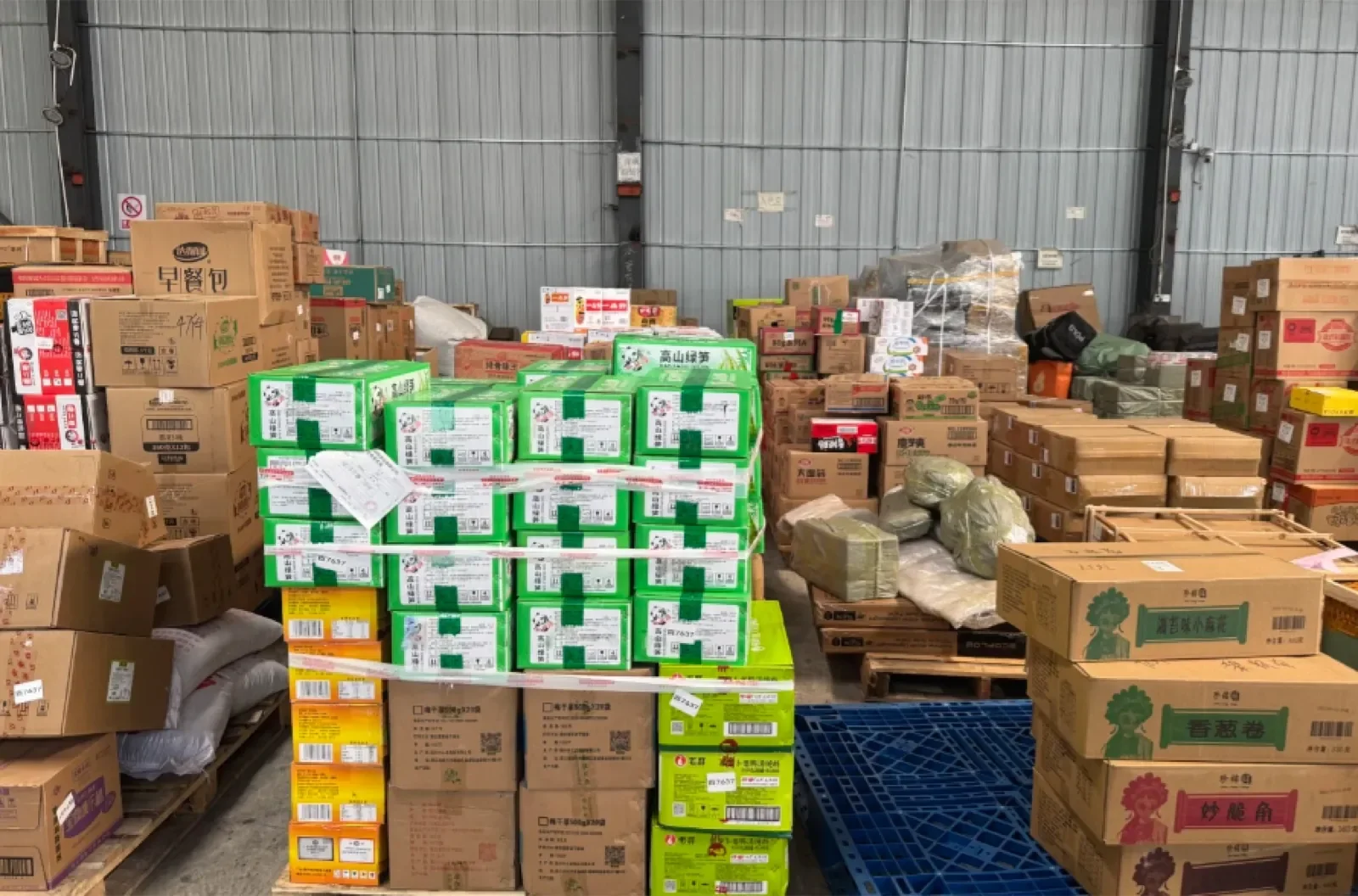
Start with the work your inventory needs and the country from which customer orders will actually ship. Compare providers using a written scope and a small pilot. A warehouse image or an “agent” title does not establish who holds stock, who performs each task or how exceptions are resolved.
Map each service to the responsible operator
Separate supplier purchasing, receiving, inspection, storage, order processing, packing, carrier handoff and destination returns. Ask which work the provider performs directly and which is coordinated through partners. Confirm the point of contact and escalation owner for each handoff.
A facility may be owned, leased or operated by a partner. Clarify the arrangement and responsibility for your goods rather than treating ownership alone as proof of service quality. Confirm the contracting and invoicing entity with the provider’s actual documents.
Verify where your stock will be
Request the receiving location, project reference, accepted products and handling instructions before suppliers send goods. For a proposed US, UK or European arrangement, confirm the actual country and facility, whether your SKUs are already held there, and whether local picking and packing are included.
Ask for current evidence relevant to the proposed workflow, such as a dated walkthrough of receiving and packing or an agreed sample of stock and dispatch records. Request redacted examples without other customers’ personal or commercial details. Treat these as evidence to review alongside a pilot, not a guarantee of performance.
Compare the same product and workflow
Send each candidate the same SKU list, quantities, packed dimensions, destination countries, typical baskets and packing specification. Ask for fee units, minimums, exclusions, inventory reporting, working calendars and the exception approval process.
Specify whether the plan uses prepared China stock for customer dispatch or a bulk move to destination inventory. An overseas receiving address does not establish local order fulfillment or returns coverage. Confirm each service separately.
Test operational records before scaling
Use representative stock and orders to review receiving counts, inspection coverage, available inventory, packing accuracy, carrier collection, tracking events and final billed charges. Agree the review period and acceptance criteria first.
Test a shortage, cancellation or changed packing instruction in the agreed onboarding workflow. Confirm that the operator acknowledges the instruction and records the approved action. Review actual results rather than adopting a universal daily-order threshold for changing providers.
Plan an inventory transfer as its own project
If stock will move from an existing facility, agree the transfer scope with both operators before collection. Record the SKU quantities and condition, packaging materials, held inventory, outstanding orders and cartons to be moved. Confirm release authorization, transfer charges and new receiving instructions.
Assign each open order to one operator at an agreed cutoff time and time zone. Keep already dispatched parcels and their support responsibilities identifiable. Avoid sending the same live order to both providers.
After the move, reconcile the receiving count against the release record before activating the transferred quantity for sale. Document differences, affected stock and the person approving the next action. Keep old tracking and exception records available for unresolved orders through the agreed process.
Switch the order method without releasing orders twice
Before moving from manual instructions to an ERP or store connection, agree the cutover time and time zone, which orders remain under the old method and which enter the new one. Keep the store order reference stable and assign one release method to each order. Do not send a second live dispatch request merely to test an import.
Review a controlled test batch with similar variants, a revised order and a split parcel. Compare imported lines, quantities, packing instructions, acknowledgment and tracking updates with the approved record. If a transfer fails, identify whether the operator accepted the original request before resending it.
Keep open orders and unresolved tracking cases visible at cutover. Name the person who reconciles them and the fallback method if the connection stops. Agree how manual fallback orders will later be recognized so an automatic retry does not release them again.
A public Etsy seller request, reviewed October 6, 2026, asks to begin with manual orders and later use an ERP for ordering and last-mile tracking. It identifies a planning need; it does not verify a supplier connection, delivery result or product eligibility.
For Shopify specifically, its email-based custom fulfillment service does not automatically update fulfillment progress; the seller communicates with the service and updates tracking manually. An app connection is a different workflow. Shopify custom fulfillment guidance, checked October 6, 2026. This Shopify behavior is separate from the Etsy buyer example.
Prepare the first conversation
Share your current fulfillment model, stock location, product scope, main destination countries and the specific problem you need to solve. State whether you are planning a pilot, transferring existing stock or reviewing destination fulfillment. Automation, local facilities and service targets are confirmed against the proposed operation.
Discuss your fulfillment handoffs · Review the pilot checklist · Plan order exceptions
Community questions and editorial scope
Reviewed 2026-10-06. The discussions below raised questions about provider verification and changing fulfillment models. The transfer checklist is our planning synthesis; it is not a reported customer case. We exclude endorsements, advertised savings, transit promises and claims that warehouse ownership proves reliability.
Agree a route interruption contact
Confirm who communicates a route pause, identifies affected orders and approves held stock or an alternative quote. Agree how the operator acknowledges a dispatch hold and what evidence is needed before releases resume.
Close an idle-stock or service exit plan
Stopping new orders, requesting stock removal and completing a service exit are different events. Agree the notice, remaining work, inventory decisions and billing conditions with the operator before treating the project as closed.
Reconcile everything that remains
Record product SKUs, packaging materials, incomplete sets, held stock, packed orders and expected returns by facility. Separate physically counted quantities from unresolved differences. Identify open orders, collected parcels and support cases that still need an owner after new fulfillment stops.
Approve a next action for each stock group
Specify continued storage, transfer, return to supplier or another permitted action for each quantity. Confirm feasibility, costs, receiving instructions and the approval owner. Disposal needs an explicit instruction and the agreed evidence; lack of orders is not authorization to discard goods.
For partial transfers, link the released quantities to cartons and collection records, then reconcile what is still at the original facility. A removal request or collection booking does not establish that all inventory has left. Keep unresolved stock and failed actions visible until reviewed.
Confirm billing stop events separately
Ask what event ends each storage or account charge and how partial periods, remaining materials and residual quantities are billed. Record the applicable agreement and evidence for the stop event. A closed storefront or a zero available-to-sell balance does not by itself establish zero stored stock or a stopped charge.
Review the final statement against approved work, completed movements and remaining balances. Assign unexplained charges and quantities a follow-up owner and review time. Keep disputes identifiable rather than describing the entire project as reconciled.
Keep a final handoff record
Agree which inventory, order, tracking, inspection and approval records will be provided, how access and retention will be handled, and who supports unresolved shipments or later returns. Record the closing balance, completed actions, remaining cases and confirmation from the responsible parties.
Download the blank stock exit review (CSV). Use one row per stock group and facility, with evidence references rather than customer personal information.
Editorial basis and limits
Reviewed 2026-10-06. A public Amazon removal and storage-fee discussion raised the distinction between a requested action and completed stock removal. It is an indirect planning prompt, not evidence of a China warehouse incident or current Amazon rules. This checklist is editorial guidance; liability, refunds and service termination rights depend on the applicable arrangement.