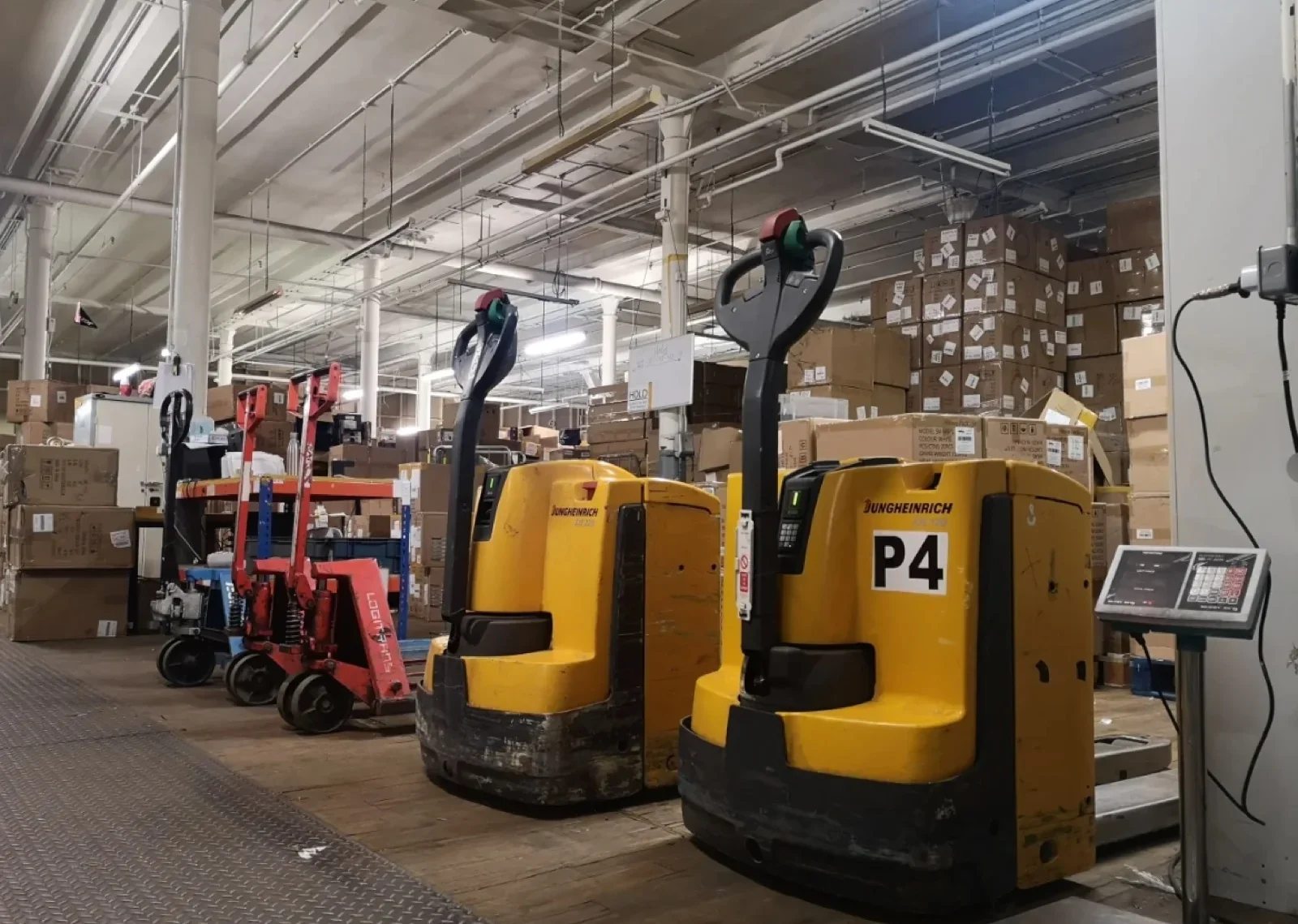
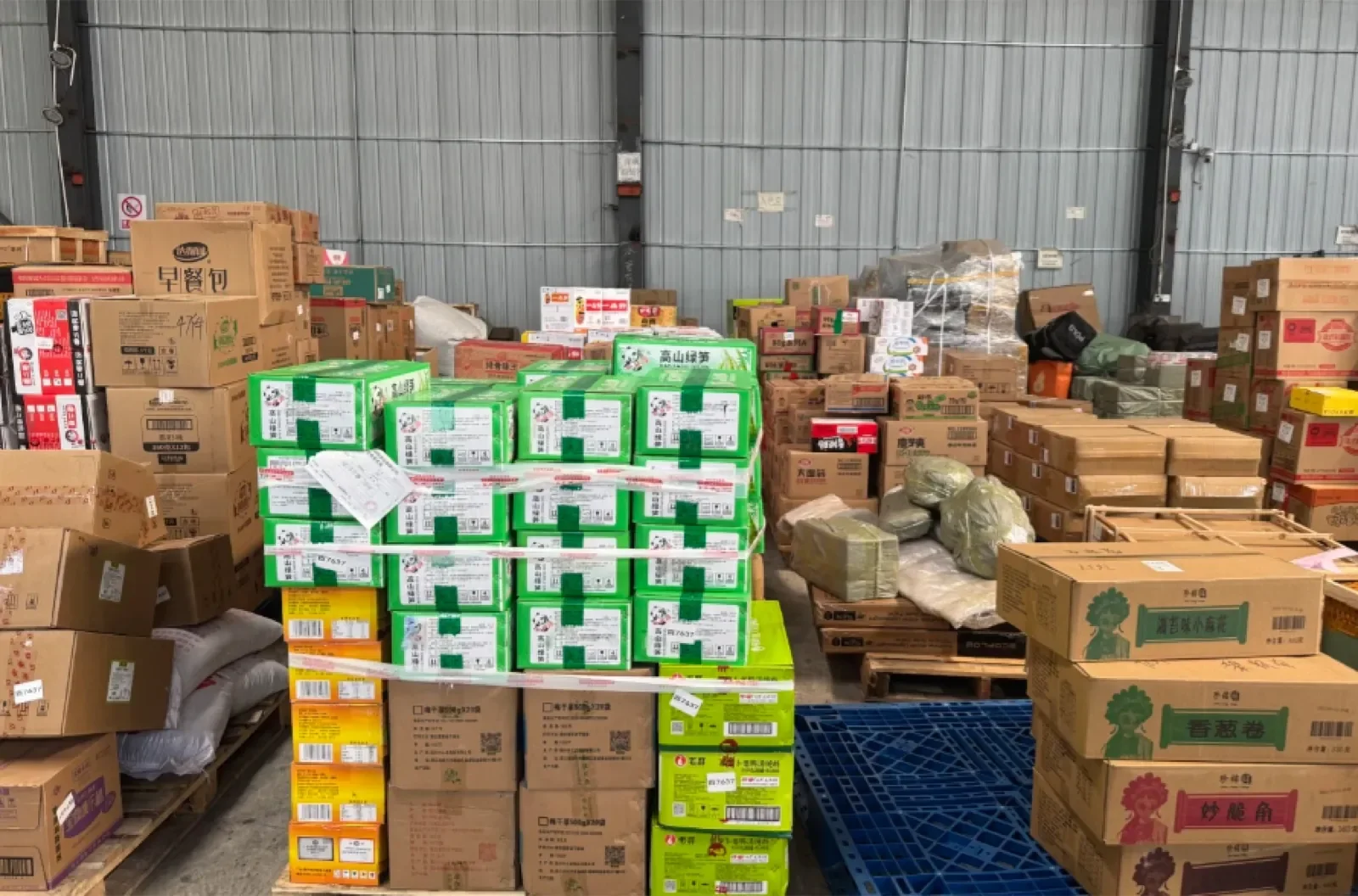
A per-unit labeling rate cannot describe the full cost of preparing or recovering inventory. Ask for an itemized scope using the same quantities, variants, condition and route across each quote.
Separate the work items
Scroll horizontally to view all columns.
| Work item | Question to ask |
|---|---|
| Receiving and counting | Is the count by carton, SKU or unit? Does inventory entry have a separate charge? |
| Identification and inspection | Does the scope include opening packaging, identifying variants, scanning labels and recording condition? |
| Label removal and application | Are removing old labels, printing, materials and additional label types included? |
| Repacking | Are replacement packaging, disposal of old materials and updating carton records included? |
| Storage | What event starts billing, what unit is used, and when does any agreed free period end? |
| Release and transport | Are picking, carton preparation, local transfer, onward freight and destination charges itemized? |
Compare the same scenario
State received units, SKU count, carton count, packed dimensions, condition, expected storage duration and release frequency. Mark unknown values explicitly. Ask each provider to identify exclusions, minimum charges, currency, billing events and quote validity.
For goods already overseas, include the current location, removal status and packaging condition. A destination rework quote and a China-origin prep quote describe different routes and should not be compared using a labeling rate alone.
Approve exceptions before costs grow
Name an approver for mixed cartons, unexpected damage, unidentified stock, additional sorting and revised labels. Request a change record with affected quantity, proposed work, added charge and the approval reference before the extra work begins.
Evaluate recovered inventory
Compare the expected value of usable stock with the complete recovery plan: assessment, sorting, packaging, storage and onward delivery. Also consider feasibility and time. Returning goods to China is a separate route requiring a transport and import review; it is not automatically the cheapest correction.
Match charges to the work that occurred
Ask what event creates each charge: arrival, unloading, counting, stock entry, label printing, rework, storage or release. Confirm whether the charging unit is a carton, pallet, product, finished set, handling step or time period. Different receiving modes and repeated handling may have different scopes.
When reviewing an invoice, connect each extra-work line to the affected stock, work reference, quantity, agreed unit and approval. Keep a second inspection or relabeling attempt identifiable rather than describing it as one unexplained total. Ask whether minimum charges apply per job, delivery, release or billing period.
Confirm which event starts and ends storage billing, the measurement basis, any free period and how held or partly released stock is treated. These are questions to settle in the actual quote, not universal industry charging rules.
Public seller discussion: Receiving, sorting, relabeling and outbound work as separate cost items. Historical prices and route recommendations are excluded.
Request a scoped quote
Send your SKU and variant list, quantities, supplier or stock location, photos, destination, planned storage period and requested check coverage. Use our quote planning page and blank record templates to keep the assumptions consistent.
No forum rate is presented here as a current market price or our service price. Rates and available handling are confirmed for the actual job.
Request an itemized prep scope
Seller discussions behind this guide
These public WeAreSellers questions informed the planning topics. They describe individual seller experiences, not our customer projects or current marketplace rules. Some replies may require login. This guide is original editorial guidance; service scope is confirmed in your quote.
Editorial review: 2026-10-05.
Planning example: a label changes after cartons are sealed
Illustrative planning scenario. This is not a customer case study.
Suppose 200 units are already packed when a revised label file arrives. Separate the work already completed from the additional work needed; an updated file should not automatically trigger relabeling.
| Situation | Check | Decision to record |
|---|---|---|
| Hold affected stock | Identify SKU, quantity, carton IDs, and the approved file version currently used. | Stop dispatch of the affected cartons until a release decision is recorded. |
| Define the extra work | List opening cartons, removing or covering labels, applying the revised version, checking units, and resealing. | Request a quote showing the billing unit and which materials or handling are included. |
| Approve and release | Confirm the revised file and a sample before completing the remaining units. | Record the changed quantity, completed check, approver, and any revised dispatch date. |
Ask whether the quote is per unit, per carton, or per hour, and whether label printing, packaging materials, and extra storage are separate. This example supplies no price or guaranteed turnaround: those depend on the approved scope.
From preparation to a clear record
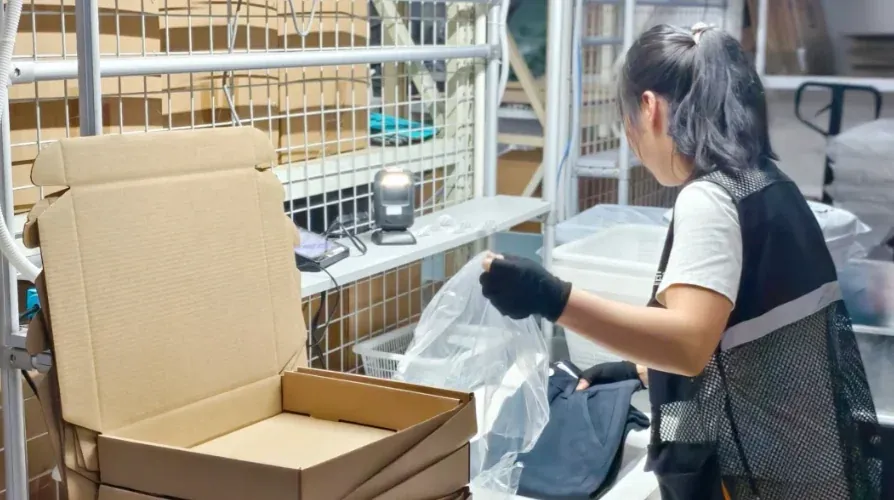
Agree the packing instructions before work begins. Record the finished carton dimensions, gross weight, and approved packing version before dispatch.