
Shipping five small cartons from five factories costs far more per kilo than sending one full carton from a single consolidation warehouse. Consolidation warehouse cost savings come from raising load fill rate and spreading fixed freight costs across more volume, not from negotiating a magic rate.
The hidden cost of shipping supplier by supplier
When each factory books its own outbound carton, you pay a per-shipment minimum on every leg, repeat last-mile trucking at each gate, and multiply handling steps. Those fixed costs stack up long before a container ever fills. Where you base the warehouse changes drayage, but the bigger leak is simply shipping partial loads.
How consolidation lowers freight
A consolidation warehouse receives all supplier cartons, holds them, and merges them into one outbound load. That single booking clears one minimum charge instead of five, shares one truck to the port, and reaches a better rate tier because the total weight is higher. The saving is structural, not promotional. Who actually runs that warehouse, you or a 3PL, is a separate cost decision covered by the consolidation vs self-run guide.

A simple savings example
Suppose four suppliers each send 80 kg. Shipped separately, you might pay four minimum charges plus four port trucking fees, and each small load sits in a poor rate band. Consolidated, the 320 kg moves as one shipment with one trucking fee and a lower per-kg rate. The exact numbers vary by lane and season, but the pattern holds: fewer bookings and higher fill rate cut cost per kilo.
Fill rate is the lever
| Outbound fill | Typical cost pressure |
|---|---|
| Several small separate cartons | Highest per-kg cost, repeated minimums |
| One shared carton, partial fill | Moderate saving vs separate |
| One shared carton, near full | Best per-kg rate, one booking |
The closer you get to a full outbound load, the more the fixed costs are spread. Consolidation is the tool that lets you reach that fill without waiting weeks for one factory to produce everything.
When consolidation does not save
- You already ship one full container from a single supplier.
- Your suppliers are in opposite corners of China and a multiple-supplier consolidation plan would add too much trucking to pay off.
- Split, time-critical shipments cannot wait to be merged.
- Goods need different compliance paths that should not share a booking.
Pairing savings with the right location
Savings grow when a warehousing and consolidation base sits near your supplier cluster, because drayage stays short. Use the city check before you commit, and compare a consolidated quote against your current separate bookings to see the real gap.
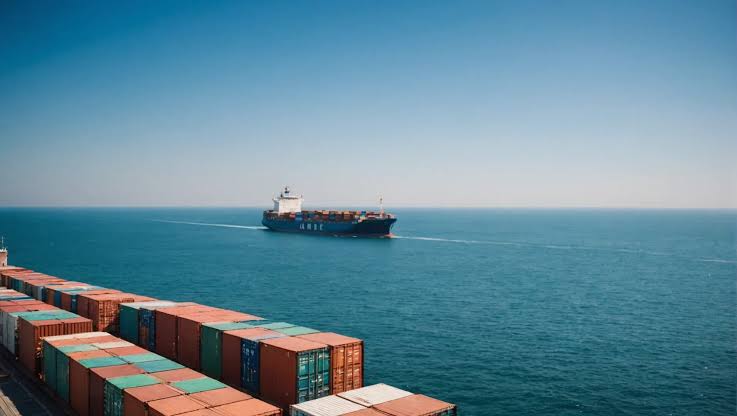
Frequently Asked Questions
How much can consolidation save on freight
Savings come from removing repeated minimum charges and reaching a better rate tier on a fuller load. The figure varies by lane and weight, but the lever is always fewer bookings and higher fill rate rather than a special discount.
Does consolidation save on air freight too
It can, when several small air parcels merge into one heavier shipment, but air savings are smaller in percentage terms than ocean because air has less fixed per-shipment overhead. Ocean consolidation shows the largest gap.
Are there fixed costs consolidation cannot remove
Yes. Customs entries, the ocean or air base rate, and insurance still apply. Consolidation removes duplicated minimums and repeated trucking, not the underlying freight rate itself.
How do I estimate savings before committing
List your current separate bookings for a month: per-shipment minimums, trucking fees and weights. Compare that total against one consolidated quote for the same volume. The difference is your estimate.