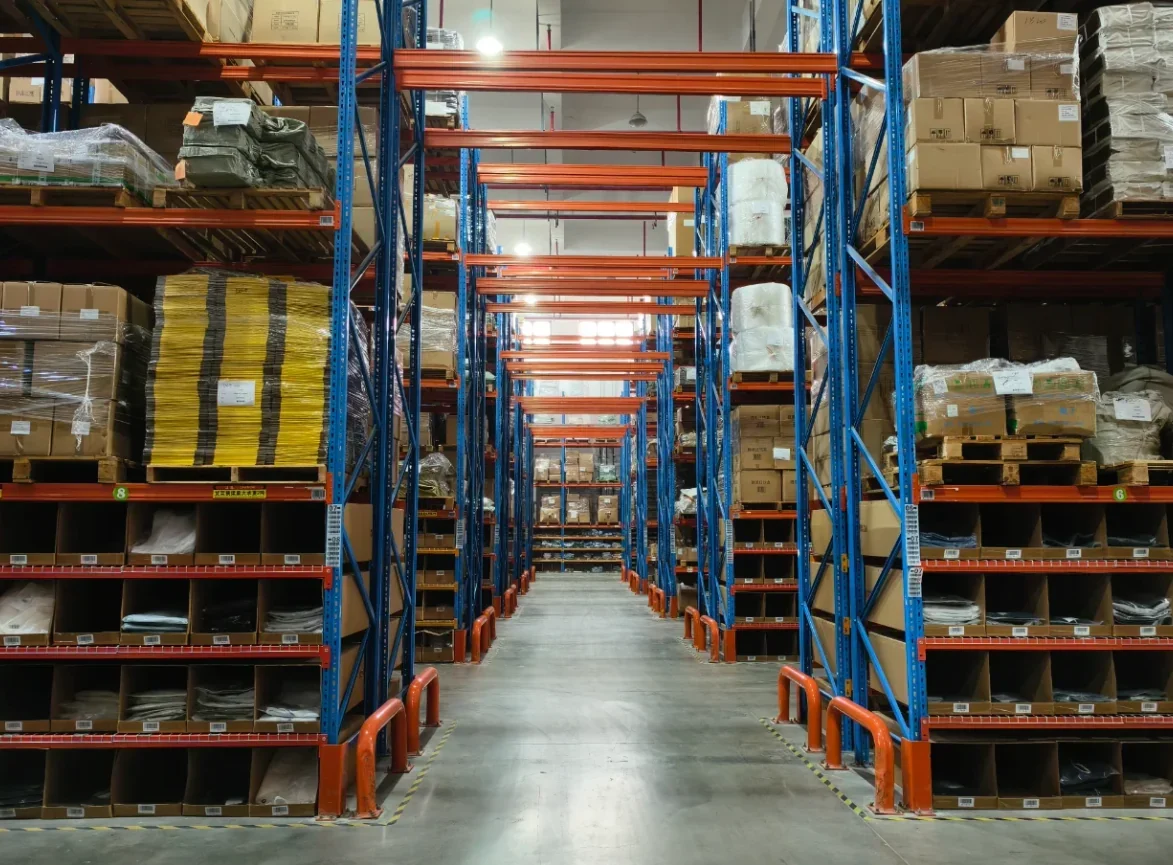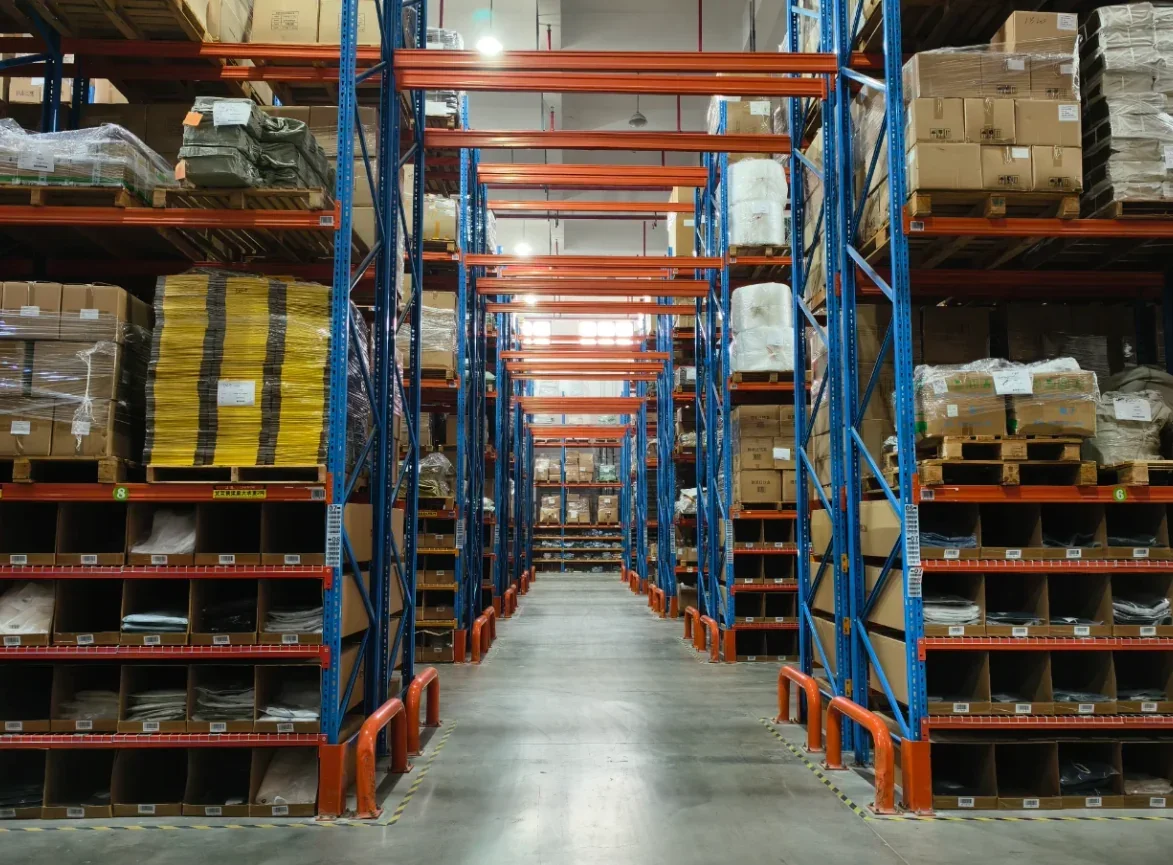
Plan backward from the date stock must be available to sell. A supplier-ready date, a carrier booking and delivery to a warehouse are different milestones. Confirm the work and calendar at every stage before publishing a dispatch or delivery promise.
Build the complete replenishment timeline
- Supplier production and product readiness.
- Supplier delivery to the agreed China warehouse.
- Receiving, inspection, exception approval and preparation.
- Carrier collection, international transport and destination clearance.
- Destination receipt, any final preparation and inventory availability.
For direct customer orders, prepare stock and materials before order release, then track processing and delivery separately. For FBA, arrival at the fulfillment center does not mean stock is immediately available for sale.
Confirm calendars with each participant
Request supplier production cutoffs, warehouse receiving and dispatch dates, carrier collections and destination receiving availability. Record the source, time zone and last confirmation date. A supplier closure does not establish the warehouse or carrier schedule. Previous-year community posts cannot establish your next holiday calendar.
Separate confirmed supply from expected arrivals
List available approved units, allocated orders, held stock and inbound quantities by SKU. Include expected receipts only when their readiness and arrival assumptions are identified. Track packaging components and finished bundles too; an incomplete set cannot cover a customer order.
Estimate demand during the full replenishment period and discuss a buffer for variability. Treat this as a planning scenario rather than a guaranteed order quantity. Review the stock budget, storage cost, product shelf life and downside of unsold units before increasing purchases.
Compare release options
Scope an initial release and later batches separately, using actual cartons, destinations and work requirements. Compare an earlier partial shipment, a later consolidated release and any proposed destination stock arrangement. Confirm route feasibility, handling and repeated shipment fees; do not assume one fast shipment resolves supplier delays.
Set a review trigger and customer message
Name the person who reviews missed production dates, failed inspection, delayed collection or unresolved receiving. Agree when to revise the plan, hold affected inventory or seek another quoted route. Keep customer-facing timing aligned with the latest confirmed facts. Communicate a known supplier delay accurately and avoid inventing another reason.
Scope storage and batch releases · Plan phased FBA replenishment · Discuss your replenishment timeline
Community questions
Reviewed 2026-10-06. These anecdotal discussions inform planning questions, not prices, marketplace fee rules, holiday schedules or service guarantees.
Planning example: stock misses the last collection
Illustrative planning scenario. This is not a customer case study.
Suppose 120 cartons are expected before a holiday, but only 80 arrive before the carrier collection deadline. A supplier delivery estimate alone is not permission to release the remaining stock.
| Situation | Check | Decision to record |
|---|---|---|
| 80 cartons received | Check quantities, approved prep, and booked carrier capacity. | Release only the verified cartons with a dated packing list if the customer approves a split. |
| 40 cartons not received | Ask the supplier for actual dispatch evidence and a revised arrival date. | Keep them out of the released packing list; record the balance against the supplier order. |
| Collection missed | Confirm the next available warehouse work slot and carrier collection. | Revise the receiving-market plan before making a new delivery promise. |
Keep the supplier order, received balance, split approval, carrier booking, and next review date together. Assign an owner to the outstanding 40 cartons and check whether the receiving appointment must change.