
A china consolidation warehouse lets you merge shipments from several factories into one outbound load before it leaves the country. The three cities sellers discuss most are Guangzhou, Shenzhen and Yiwu. Each sits in a different industrial belt and connects to different ports, so the right base depends on where your suppliers are and which shipping lane you use most.
Why the base city shapes your whole consolidation flow
A consolidation warehouse only works well if it sits close to where your goods actually are. If your factories are in the Pearl River Delta but your warehouse is in Yiwu, you add a long domestic truck leg before consolidation even starts. City choice drives drayage cost, port choice and how fast cartons reach the shi
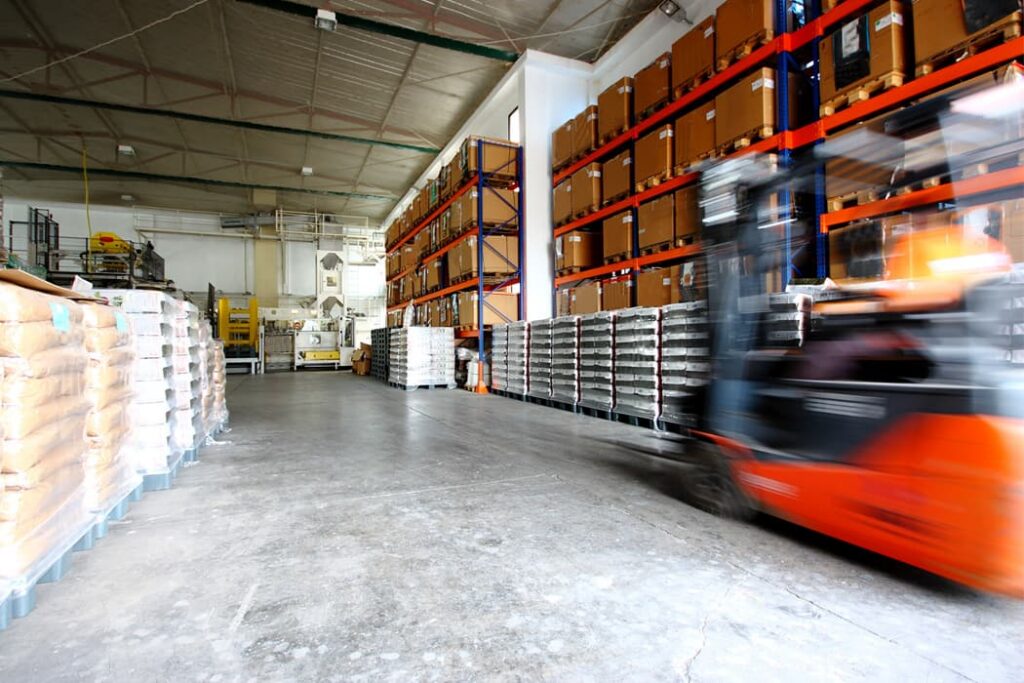
Guangzhou: the Pearl River Delta default
Guangzhou sits inside the Pearl River Delta alongside Foshan, Dongguan and Zhongshan. A consolidation warehouse in Guangzhou is a strong default for sellers who source general merchandise, home goods, cosmetics and light electronics from this cluster. Goods reach Huangpu or Nansha port after a short truck run, and the local Guangzhou 3PL ecosystem is mature.
Shenzhen: built around the export port
Shenzhen borders Hong Kong and runs Yantian and Shekou ports. It suits sellers whose suppliers are Shenzhen-based, especially electronics and hardware. Transit to the berth is short and transshipment is fast, though local handling and rent run a little higher than Guangzhou.
Yiwu: the small-commodities market
Yiwu is home to one of the world’s largest wholesale markets. If you buy dozens of SKUs from hundreds of small traders, a consolidación de múltiples proveedores approach makes most sense here, and it pairs with a later build-vs-outsource check. The tradeoff is distance from a deep-sea port: cartons usually truck to Ningbo or move by rail, which adds drayage time.
Industrial belts and the categories they fit
| City | Best-fit categories | Nearest deep-sea port | Typical seller |
|---|---|---|---|
| Guangzhou | General merchandise, home goods, cosmetics, light electronics | Nansha / Huangpu | Multi-category Amazon and DTC sellers in the PRD |
| Shenzhen | Electronics, hardware, Shenzhen-made goods | Yantian / Shekou | Electronics brands near the Shenzhen supply base |
| Yiwu | Small commodities, accessories, mixed SKU parcels | Ningbo (via truck) / Yiwu rail | Buyers sourcing many SKUs from the market |
Ports, transit time and drayage
Guangzhou and Shenzhen load at their own nearby ports, so drayage is short and predictable. Yiwu has no adjacent deep-sea port, so cartons are trucked to Ningbo or sent by rail, adding a half day to a day before the ocean leg begins. If your main lane is US West Coast, that extra drayage is usually minor against total transit, but it matters for tight replenishment windows.
Cost differences you should expect
Local handling, warehouse rent and trucking vary by city. Shenzhen tends to carry the highest local rates, Guangzhou sits in the middle, and Yiwu can look cheap on storage but adds drayage to the port. None of these is a fixed rule; the deciding factor is how your supplier map lines up with the port.
How to decide: a short checklist
- Where are more than 70 percent of your suppliers? Pick the city closest to that cluster.
- Which port serves your main shipping lane? Match the warehouse to that gateway.
- Do you need prep on site? If goods go to Amazon, keep a almacenamiento y agrupación de mercancías option in mind for later (covered separately).
- How many SKUs per shipment? High-SKU Yiwu buying favors a market-adjacent base.
The cheapest city is the one that removes the longest domestic truck leg, not the one with the lowest published storage rate. Weigh port access and supplier geography together before you sign.
Preguntas frecuentes
¿Cuál es la ciudad más económica de China para instalar un almacén de consolidación?
No hay una única ciudad que sea la más barata. Guangzhou suele ofrecer un buen equilibrio entre el alquiler y el acceso al puerto; Shenzhen es un poco más cara a nivel local, e Yiwu puede parecer barata en cuanto al almacenamiento, pero hay que añadir los gastos de transporte terrestre hasta Ningbo. El coste total más bajo lo ofrece la ciudad más cercana a la mayoría de tus proveedores.
¿Qué ciudad es mejor para los vendedores de Amazon FBA: Guangzhou o Shenzhen?
Ambas opciones son válidas. Guangzhou es la opción predeterminada más general para mercancías mixtas, mientras que Shenzhen es más adecuada para los proveedores de productos electrónicos con sede en Shenzhen. Si la mayoría de tus fábricas se encuentran en el delta del río Perla, Guangzhou te permite reducir las distancias de transporte terrestre.
¿Puedo agrupar las compras de Yiwu con los productos de Guangzhou?
Sí, pero eso implica transportar las cajas de Yiwu en camión hasta una base en Guangzhou o Ningbo, lo que supone un coste y un tiempo adicionales. Si tu compra está dividida, compara ese tramo adicional con la gestión de dos puntos de consolidación más pequeños.
¿A qué distancia está Yiwu de un puerto de alta mar?
Yiwu no cuenta con ningún puerto de alta mar cercano. Las cajas suelen transportarse en camión hasta Ningbo o por ferrocarril, lo que añade entre medio día y un día al trayecto marítimo. Hay que tenerlo en cuenta a la hora de calcular el plazo de reposición.
¿Influye la ciudad elegida en el tiempo de tránsito del envío a EE. UU.?
City choice changes drayage, not ocean transit. The extra Yiwu-to-port leg is the main difference; once on the water, Guangzhou, Shenzhen and Ningbo sail on similar lanes.
Should I pick a city before talking to a 3PL
Pick the city from your supplier map first, then shortlist 3PLs there. A provider in the wrong city cannot fix a long domestic truck leg for you.